
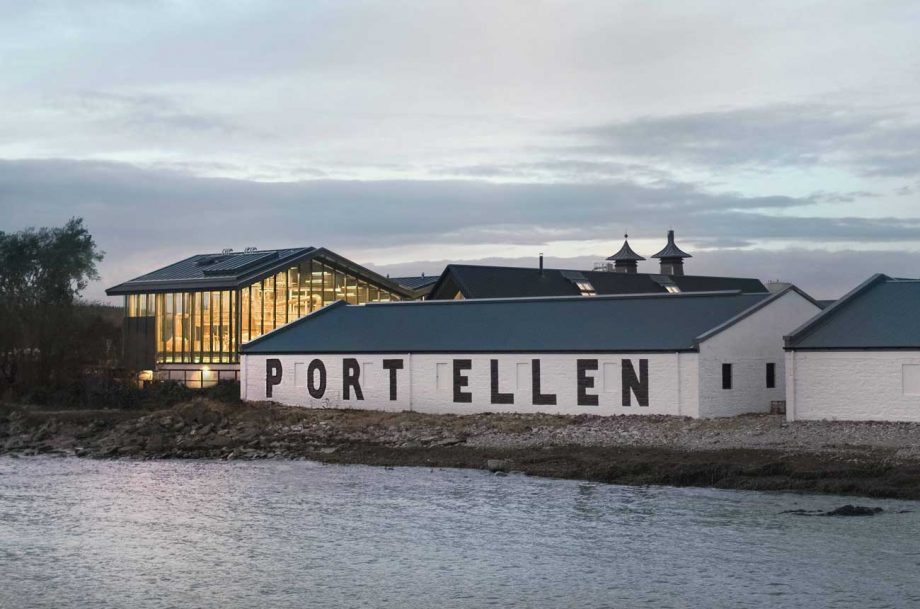
Port-Ellen-Distillery-920×609

Reopening Port Ellen Distillery!

Port Ellen Reopens!
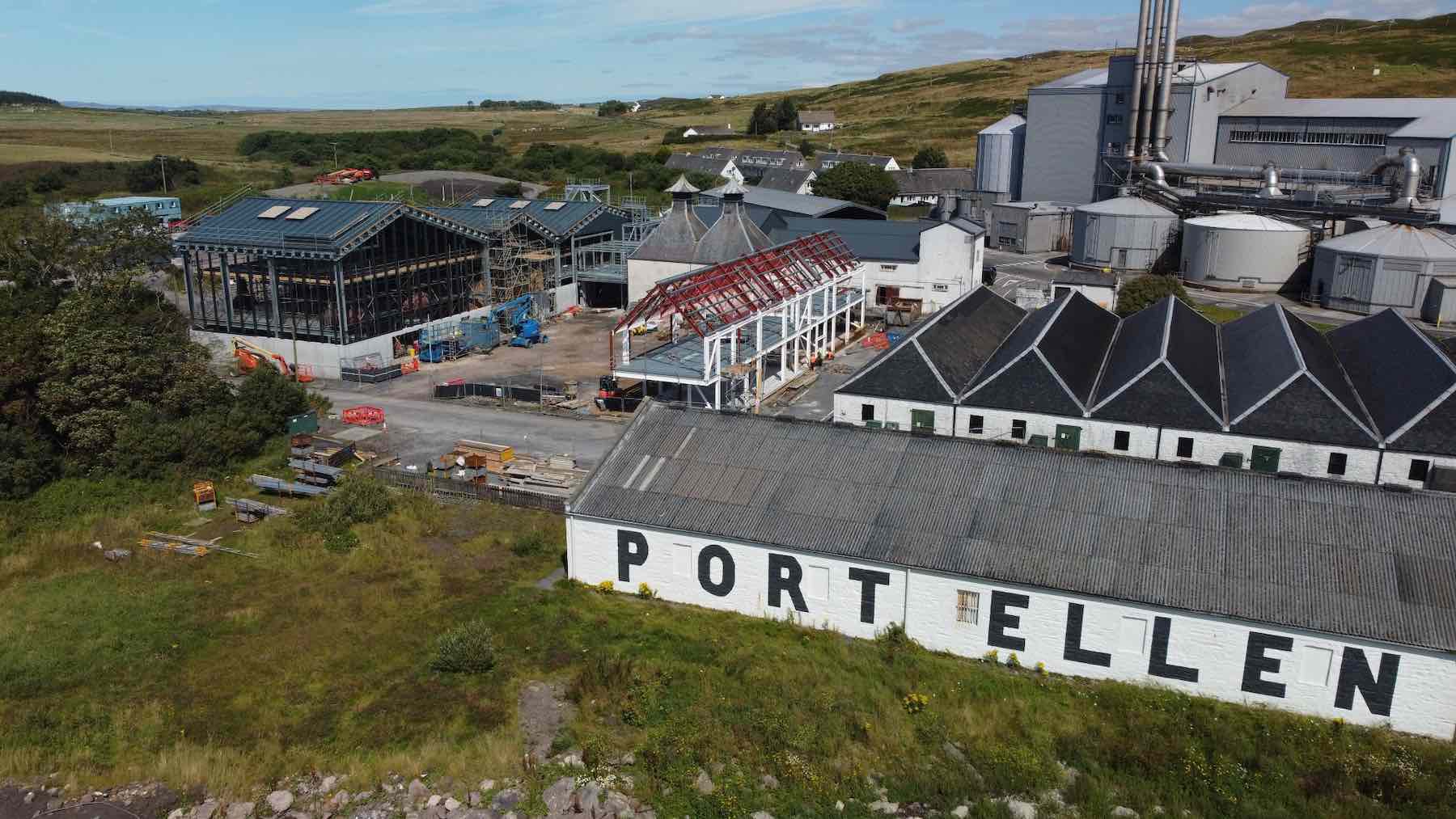
The reopening of Port Ellen Distillery on 19 March 2024 marked an important moment for Scotch whisky and has generated considerable interest across the industry.

Port Ellen, located on the island of Islay, was originally established in 1825 and became particularly well known for its distinctive peated whisky. The distillery ceased production in 1983, but its reputation continued to grow among whisky enthusiasts and collectors, with whisky from the original distillery becoming highly sought after.
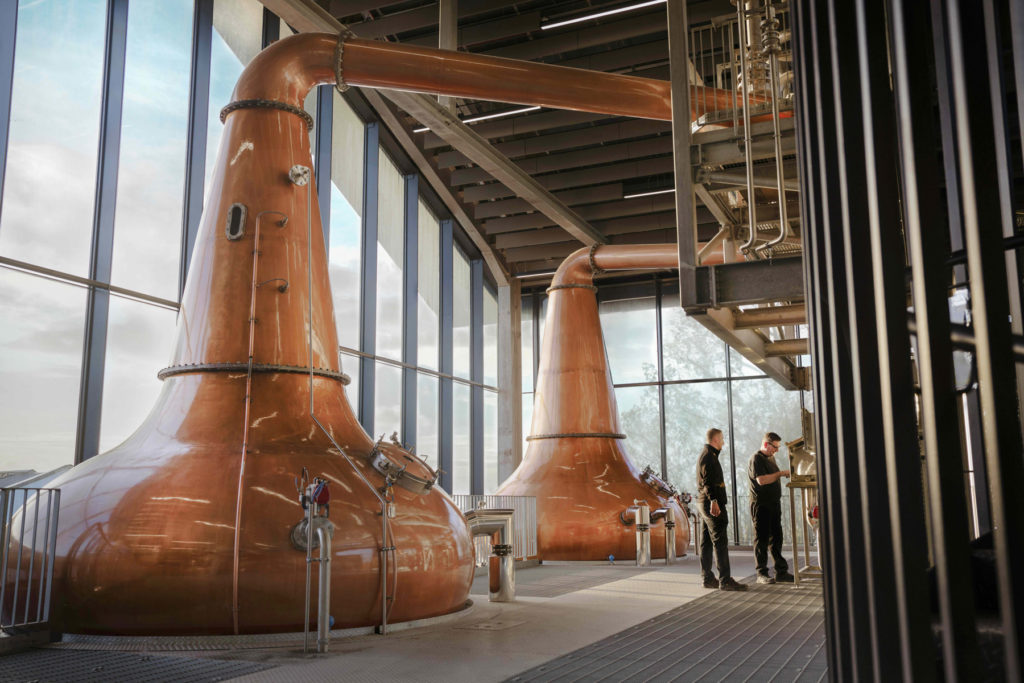
 

Following its reopening, production at Port Ellen has resumed, bringing the distillery into a new chapter while retaining its connection with Islay’s long-standing whisky-making heritage.

The reopening is significant not only because production has returned, but also because it provides an opportunity to observe how the new distillery’s spirit develops over time. As with any newly produced spirit, its eventual character, maturation profile and demand will become clearer as stocks mature and future releases emerge.

For those interested in Scotch whisky, Port Ellen provides an interesting example of how distillery history, production and consumer interest can evolve over time.

The Port Ellen Distillery is now officially open for business on Islay, breathing new life back into an old legacy building. This content has been created by WIUK for the purposes of information only. The Port Ellen distillery, Diego and its products which may be trademarked are not connected to WIUK and we make no inference or connection to them. 
1

Whisky Casks Available from £2,695 – VAT Treatment Explained

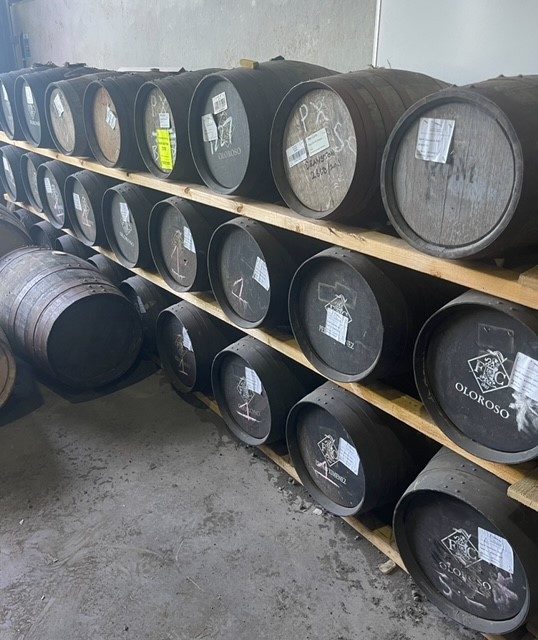
We currently have a selection of whisky casks available from £2,695, subject to availability and the individual characteristics of each cask.

Our sourcing team regularly reviews opportunities across the Scotch whisky market, with a focus on identifying casks from a range of distilleries, maturation types and barrel specifications.

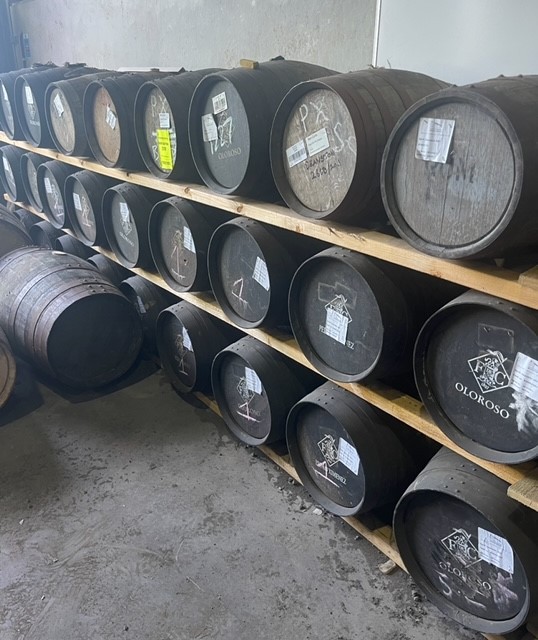
Recent parcels have included casks matured in different types of wood, including first-fill Brandy and first-fill Château Margaux wine casks. The type and previous contents of a cask can influence the maturation characteristics of the whisky, making each cask an individual asset with its own specifications and history.

About VAT

The VAT treatment of a whisky cask can depend on the circumstances of the transaction and how the cask is held and supplied. Where a particular cask is advertised as “no VAT”, the applicable VAT treatment will be explained before purchase and should not be interpreted as a statement that all whisky cask transactions are exempt from VAT.

Important information

Whisky casks are an unregulated tangible asset and are not a regulated investment product. They do not benefit from the protections that apply to regulated financial products, including Financial Services Compensation Scheme (FSCS) protection.

The value of whisky casks can go down as well as up. There is no guarantee of future value or profit. You may not be able to sell your cask when you want to or for the price you expect. Past performance is not necessarily a guide to future performance.

This article is provided for general information and should not be regarded as personal financial advice or a recommendation to purchase any particular whisky cask. Prospective purchasers should make their own assessment and consider obtaining independent professional advice where appropriate.


What should you consider when purchasing a whisky cask?

Whisky casks are a tangible asset, but their value is not guaranteed and can go down as well as up.

The future value of an individual cask can be affected by a range of factors, including the distillery, age, spirit characteristics, cask type and condition, maturation, prevailing market demand and the costs associated with storage, insurance, regauging and eventual sale or bottling.

There is also no guarantee that a cask will increase in value, achieve a particular future valuation or be sold at a profit. A buyer may not be able to sell a cask when they want to or for the price they expect.

Past performance or historical market demand is not a reliable indicator of future performance.

Anyone considering purchasing a whisky cask should carefully consider the potential risks, costs and their own circumstances before proceeding. Whisky casks should not be viewed as a guaranteed-return product or as a substitute for regulated financial products.

Click on the buttons below for:

A download of our latest cask list
An invitation to September’s whisky event
WhatsApp Image 2024-07-17 at 10.11.50_198fb48b

Understanding Whisky Cask Ownership

Whisky cask ownership has attracted growing interest from people who enjoy Scotch whisky and are interested in owning a tangible asset associated with the whisky-making process.

But what does owning a whisky cask actually involve, and what should you consider before making a purchase?

What is a whisky cask?

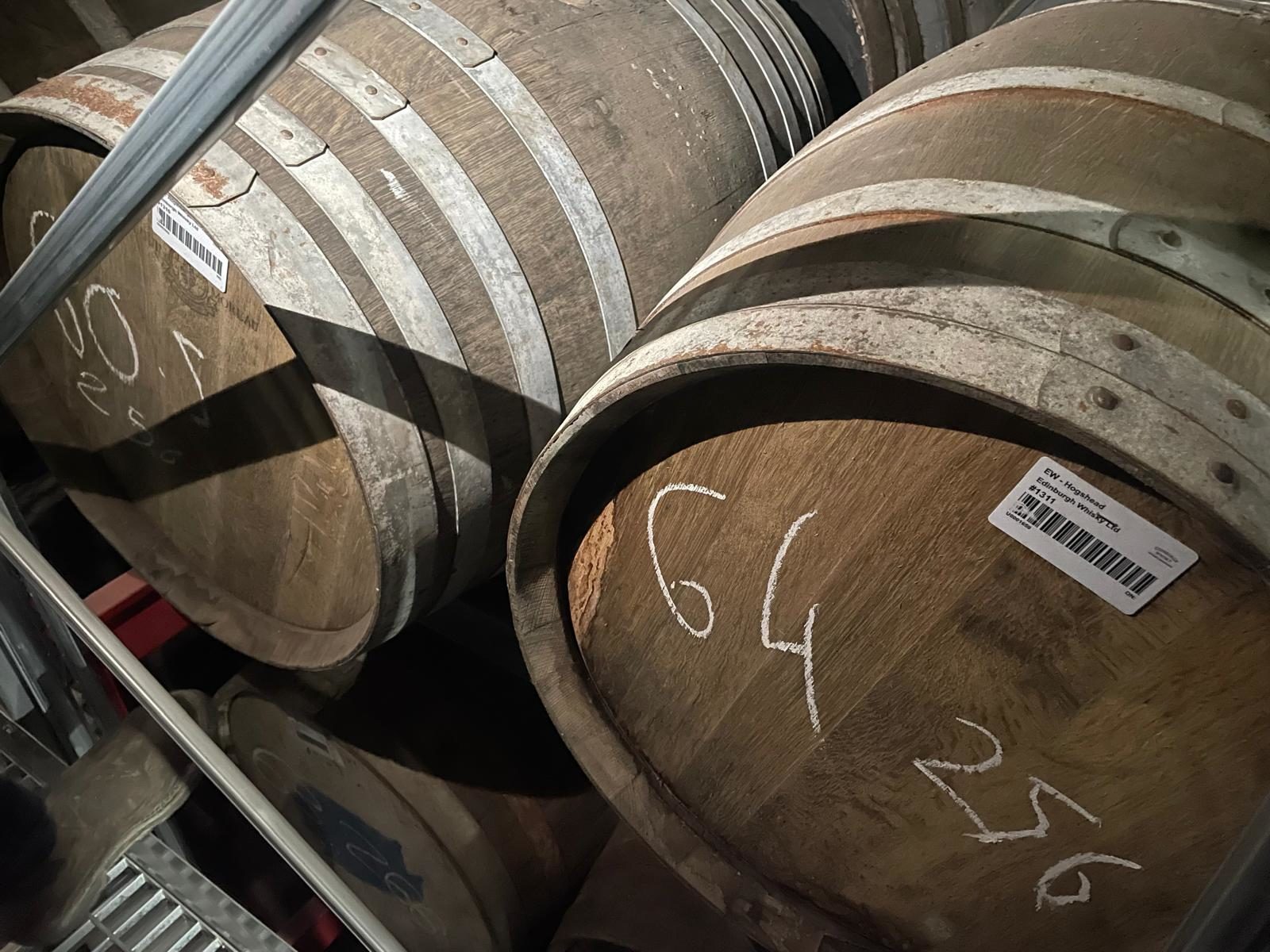
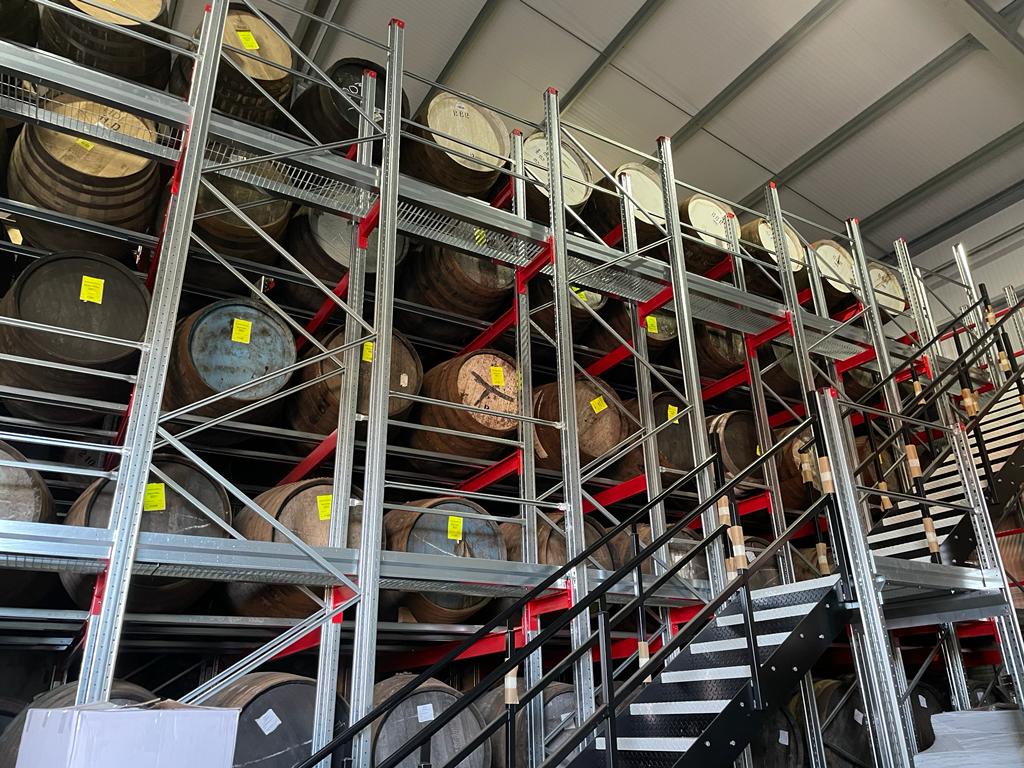
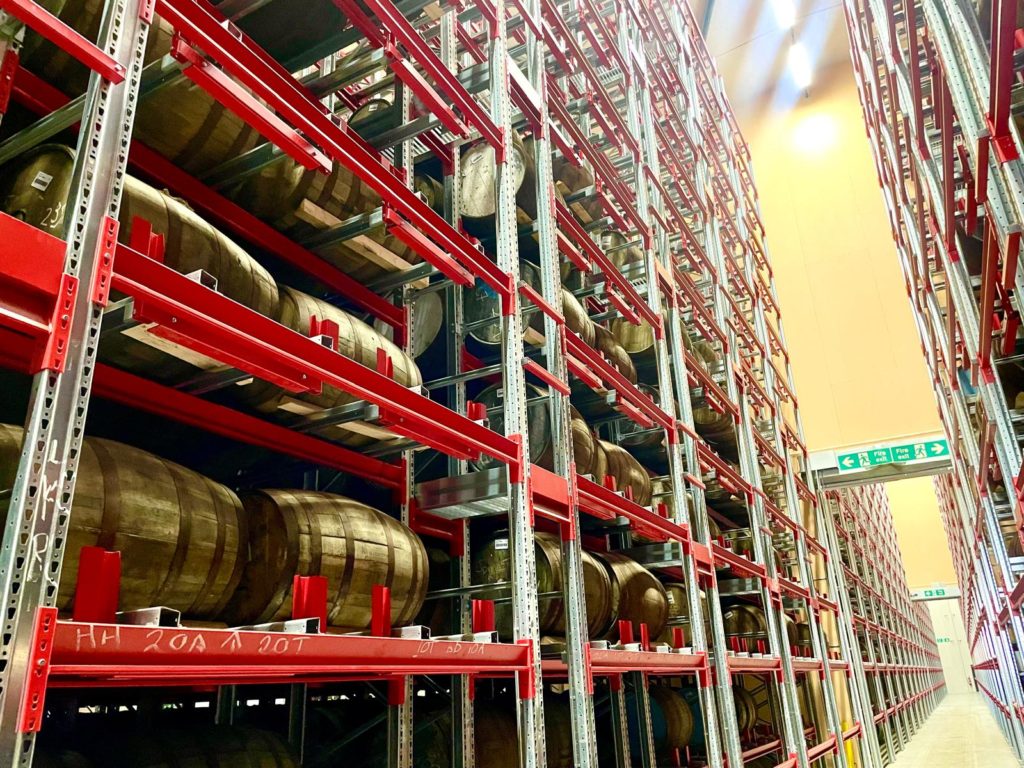
A whisky cask contains maturing spirit that remains in a bonded warehouse for a period of time while the whisky develops its character.

During maturation, the spirit can change in flavour, character and strength. The volume of spirit can also reduce over time through evaporation, commonly referred to as the “angel’s share”.

The eventual characteristics and value of an individual cask can be influenced by factors including the distillery, spirit, cask type, age, condition, maturation environment, available supply and prevailing market demand.

Whisky casks as an alternative asset

Some people purchase whisky casks with the intention of holding them for a period of time and potentially selling the cask or arranging for the whisky to be bottled in the future.

However, there is no guarantee that a whisky cask will increase in value or generate a profit.

The value of whisky casks is variable and can go down as well as up. There is also no guarantee that a buyer will be available when an owner wishes to sell, or that a cask can be sold for the amount originally paid or for any future valuation.

Historical market performance, previous sales or the reputation of a distillery should not be regarded as an indication of future performance.

What costs should you consider?

The purchase price is not necessarily the only cost associated with owning a whisky cask.

Depending on the arrangements applicable to the individual cask, owners may incur costs such as storage, insurance, regauging, administration, transfer, sale or bottling costs.

The applicable costs, terms and conditions should therefore be considered before purchasing a cask.

How can ownership be realised?

An owner may, subject to the applicable terms and market conditions, seek to realise ownership through a private sale, a third-party auction or another available route. Alternatively, an owner may choose to have the whisky bottled, subject to the relevant requirements and costs.

There is no guarantee that a cask can be sold at a particular price or within a particular timeframe.

Important information

Whisky cask ownership is an unregulated investment in the UK. The value of a whisky cask can go down as well as up, and there is no guarantee of future returns or profit. Past performance or historical market information is not necessarily a guide to future performance. Fees and other costs may apply, and terms and conditions apply to the purchase and ownership of a cask.

Whisky cask ownership does not provide the same regulatory protections as regulated financial products and is not covered by the Financial Services Compensation Scheme (FSCS).

Prospective purchasers should consider the risks, costs and potential exit routes carefully before deciding whether whisky cask ownership is appropriate for them. This article is provided for general information and should not be regarded as personal financial advice or a recommendation to purchase any particular cask.

Information relating to individual casks, including age, volume, alcohol strength, cask type, pricing, storage arrangements and applicable costs, should be confirmed before purchase and may change according to availability and market conditions.

Click on the buttons below for:

A download of our latest cask list
An invitation to September’s whisky event
WIUK_email_header_award_2024

Best Whisky Cask Management Company 2024 – UK

We have done it AGAIN!

Whisky Investment UK ® has been awarded
Best Whisky Cask Management Company 2024 – UK by Wealth and Finance International.