
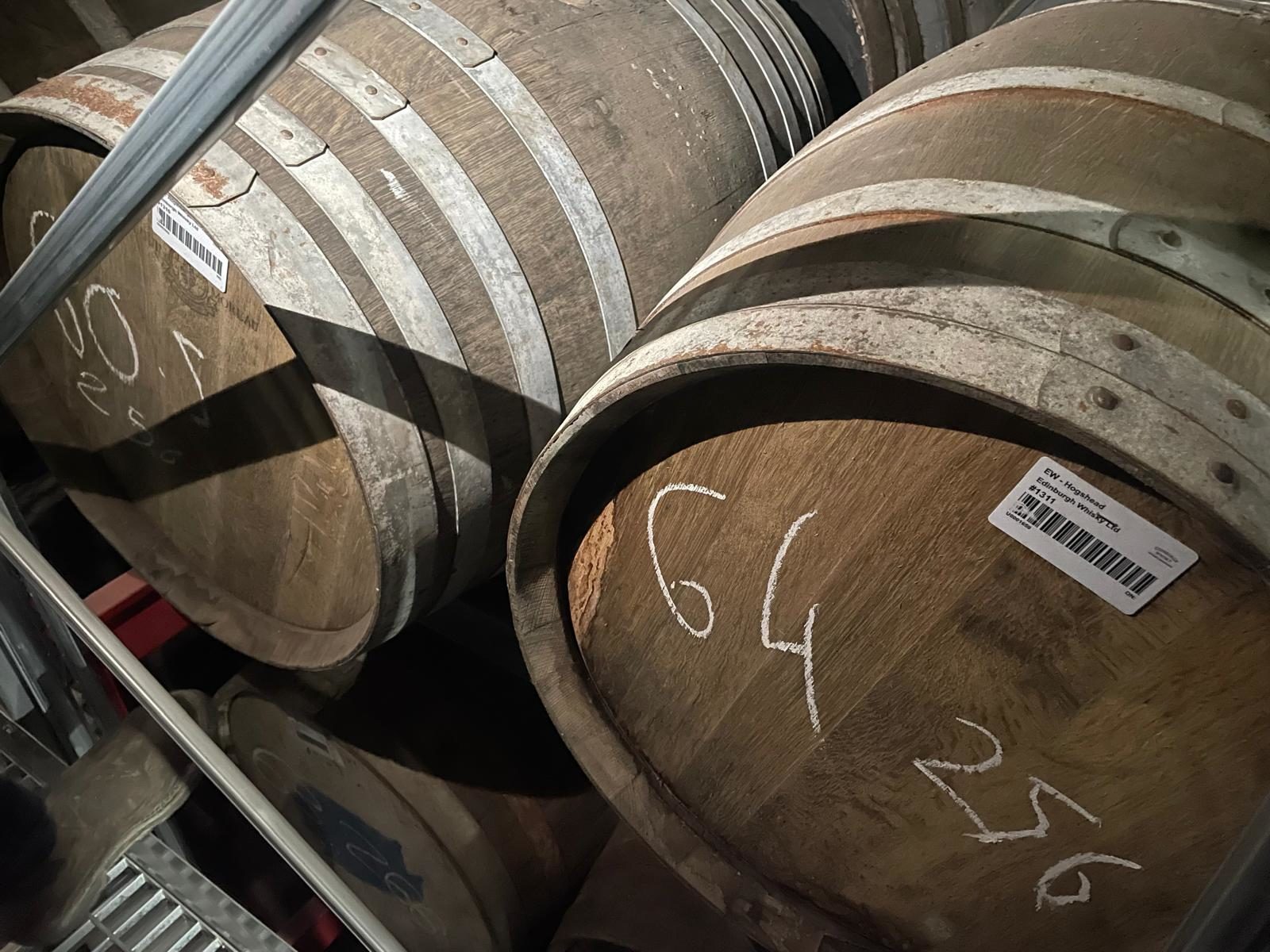
Understanding Whisky Cask Ownership
Whisky cask ownership has attracted growing interest from people who enjoy Scotch whisky and are interested in owning a tangible asset associated with the whisky-making process.
But what does owning a whisky cask actually involve, and what should you consider before making a purchase?
What is a whisky cask?
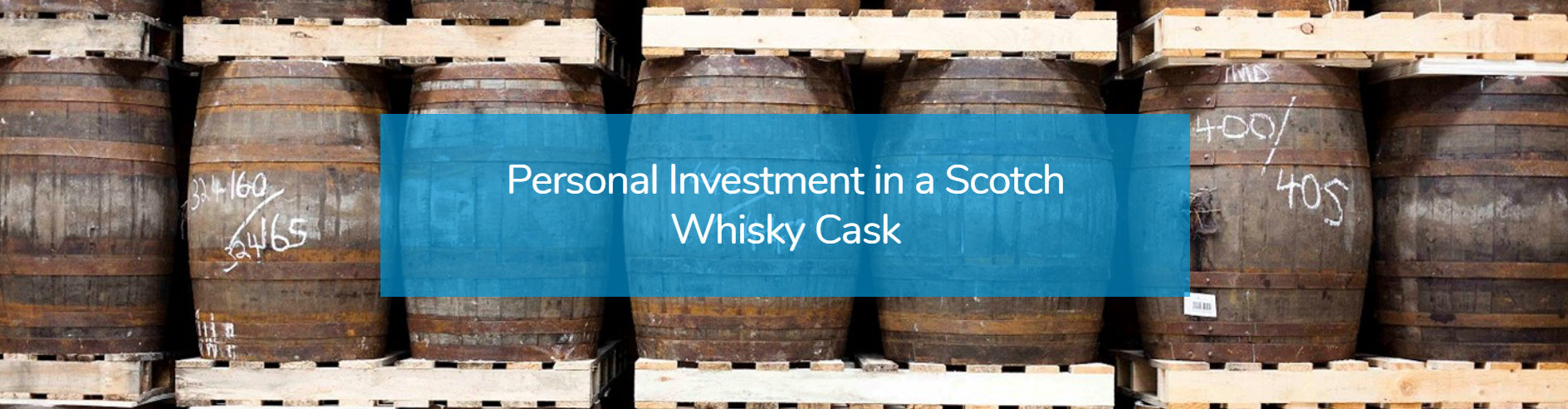
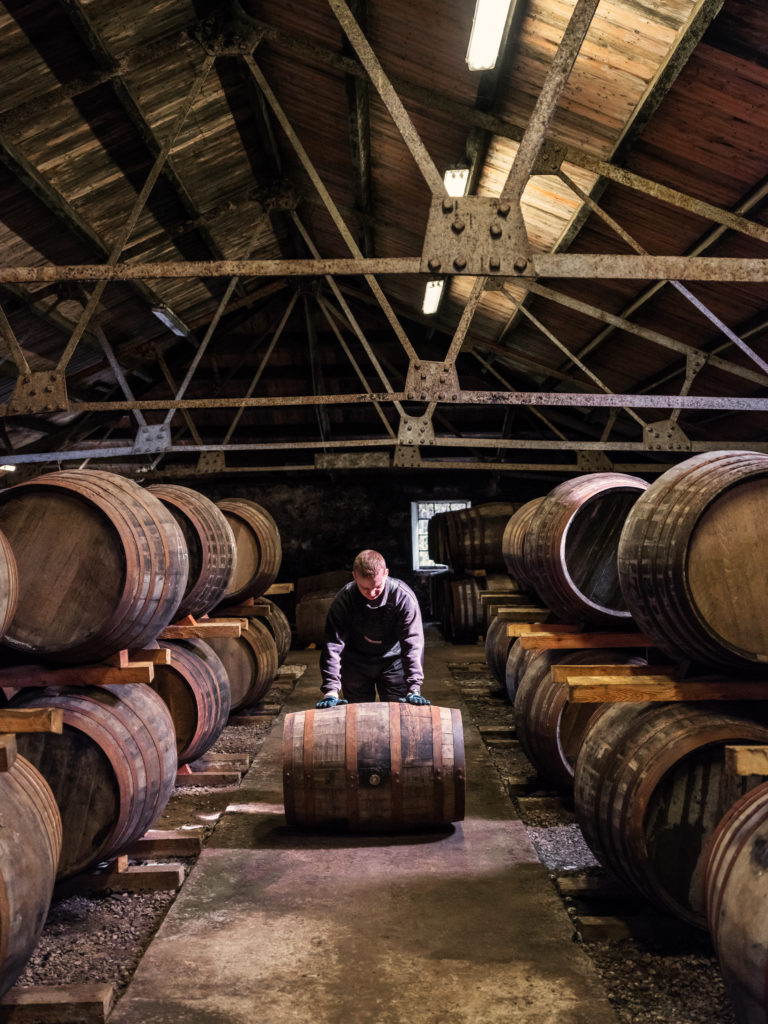
A whisky cask contains maturing spirit that remains in a bonded warehouse for a period of time while the whisky develops its character.
During maturation, the spirit can change in flavour, character and strength. The volume of spirit can also reduce over time through evaporation, commonly referred to as the “angel’s share”.
The eventual characteristics and value of an individual cask can be influenced by factors including the distillery, spirit, cask type, age, condition, maturation environment, available supply and prevailing market demand.
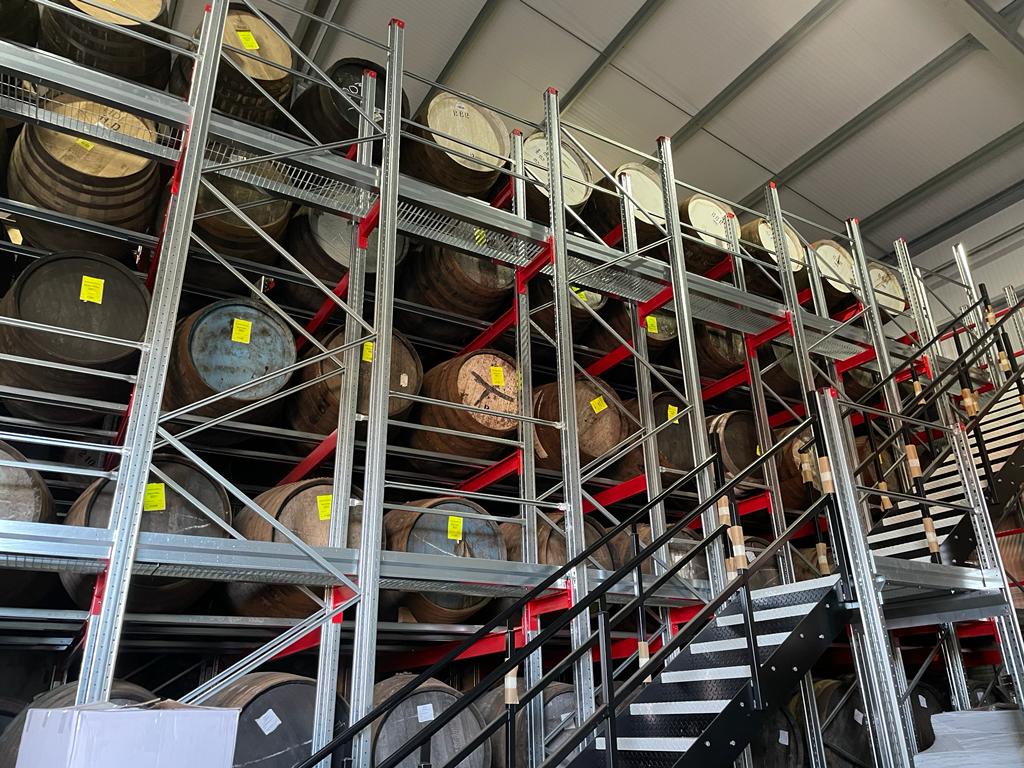
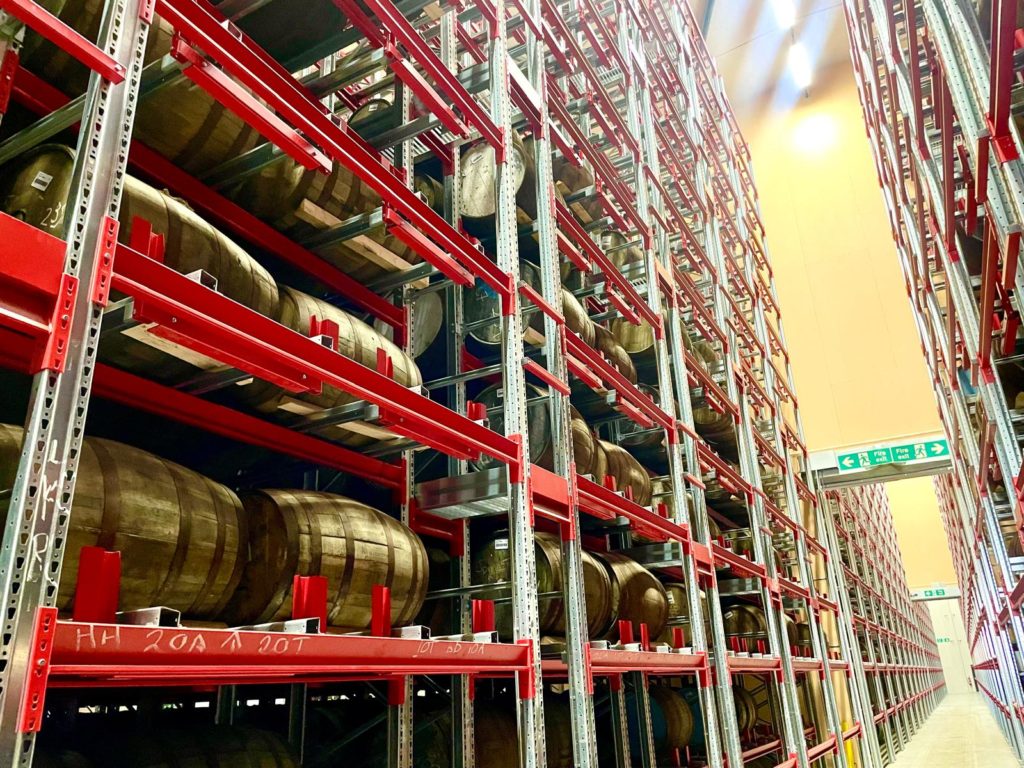
Whisky casks as an alternative asset
Some people purchase whisky casks with the intention of holding them for a period of time and potentially selling the cask or arranging for the whisky to be bottled in the future.
However, there is no guarantee that a whisky cask will increase in value or generate a profit.
The value of whisky casks is variable and can go down as well as up. There is also no guarantee that a buyer will be available when an owner wishes to sell, or that a cask can be sold for the amount originally paid or for any future valuation.
Historical market performance, previous sales or the reputation of a distillery should not be regarded as an indication of future performance.


What costs should you consider?
The purchase price is not necessarily the only cost associated with owning a whisky cask.
Depending on the arrangements applicable to the individual cask, owners may incur costs such as storage, insurance, regauging, administration, transfer, sale or bottling costs.
The applicable costs, terms and conditions should therefore be considered before purchasing a cask.
How can ownership be realised?
An owner may, subject to the applicable terms and market conditions, seek to realise ownership through a private sale, a third-party auction or another available route. Alternatively, an owner may choose to have the whisky bottled, subject to the relevant requirements and costs.
There is no guarantee that a cask can be sold at a particular price or within a particular timeframe.
Important information
Whisky cask ownership is an unregulated investment in the UK. The value of a whisky cask can go down as well as up, and there is no guarantee of future returns or profit. Past performance or historical market information is not necessarily a guide to future performance. Fees and other costs may apply, and terms and conditions apply to the purchase and ownership of a cask.
Whisky cask ownership does not provide the same regulatory protections as regulated financial products and is not covered by the Financial Services Compensation Scheme (FSCS).
Prospective purchasers should consider the risks, costs and potential exit routes carefully before deciding whether whisky cask ownership is appropriate for them. This article is provided for general information and should not be regarded as personal financial advice or a recommendation to purchase any particular cask.
Information relating to individual casks, including age, volume, alcohol strength, cask type, pricing, storage arrangements and applicable costs, should be confirmed before purchase and may change according to availability and market conditions.