WIUK® is proud to be named “Whisky Investment Firm of the Year” at the BFSI Insider Awards 2025—a recognition of our impact, financial inclusion, sustainability, customer service, global integration, and innovation in the whisky investment sector.
This prestigious award highlights WIUK®’s commitment to delivering exceptional service and investment opportunities to our clients while driving sustainable growth in the whisky market.
About FDI Insider
FDI Insider is a leading news platform and premier quarterly digital publication, providing in-depth analysis and insights into global foreign direct investment (FDI) activities. Their coverage spans emerging trends, challenges, and opportunities shaping cross-border investments worldwide, making them a vital resource for industry leaders, investors, and policymakers.
We are honoured to receive this award and remain dedicated to offering unparalleled whisky investment solutions to our clients.
Unlocking Whisky Cask Ownership How Delivery Orders Work, How Casks Are Stored, and the Process of Scotch Whisky Maturation in Scotland
Unlocking Whisky Cask Ownership How Delivery Orders Work, How Casks Are Stored, and the Process of Scotch Whisky Maturation in Scotland
For Whisky Enthusiasts: Cask Ownership
Owning a cask of Scotch whisky offers direct involvement in the maturation process of a regulated spirit stored in bond in Scotland. It is an ownership experience centred on tradition, provenance, and time in maturation.
Cask ownership should not be viewed as a short-term opportunity or an implied investment strategy. The process involves long holding periods, ongoing costs, and a range of variables that may influence the final outcome, including but not limited to cask type, storage conditions, and market demand.
Transfer of Ownership (WIUK® Process)
When purchasing a cask through Whisky Investment UK (WIUK®), we facilitate the administrative transfer of ownership within an HMRC-licensed bonded warehouse in Scotland.
This process typically involves creating a private customer account with the warehouse operator. Once established, a Delivery Order (DO) is issued to formalise the transfer of ownership records.
A Delivery Order is a warehouse document used to instruct the transfer of ownership of goods held in bond. It is completed, acknowledged by the relevant parties, and submitted to the warehouse, which then updates its records to reflect the new owner.
The Maturation of Scotch Whisky
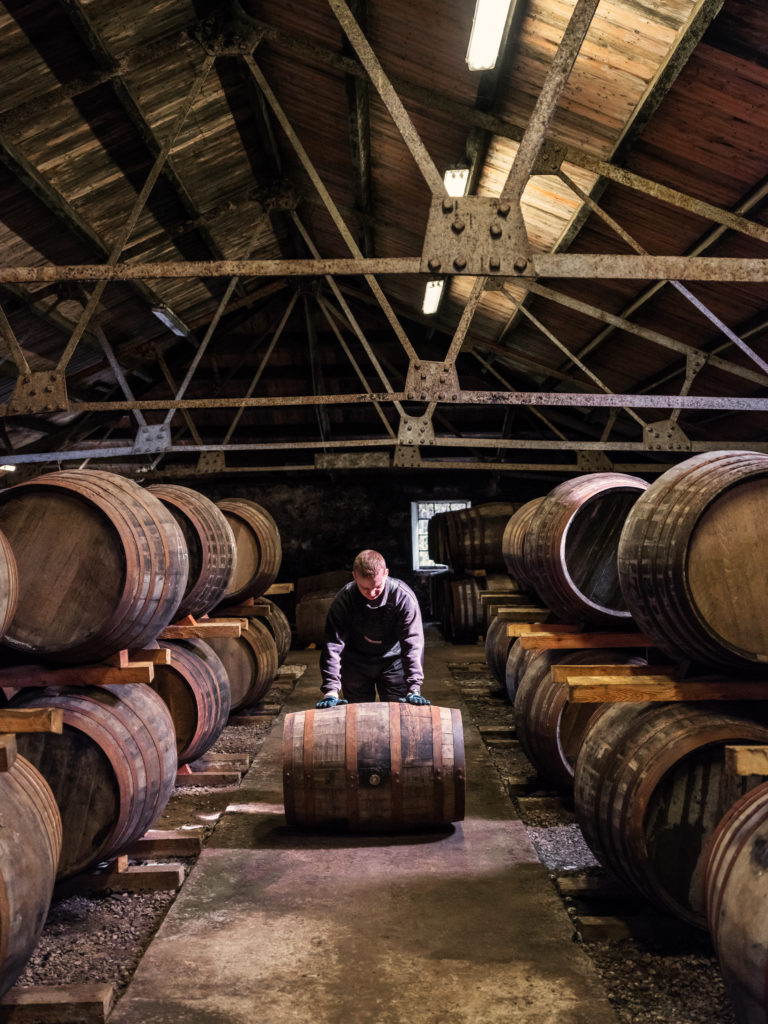
The maturation of Scotch whisky is a regulated process that takes place exclusively in Scotland. During this period, the spirit interacts with the cask and its storage environment, gradually developing character.
It is important to note that maturation outcomes vary and are not predictable or guaranteed. The final profile of a whisky is influenced by multiple factors, including cask history, wood type, warehouse conditions, and duration of maturation.
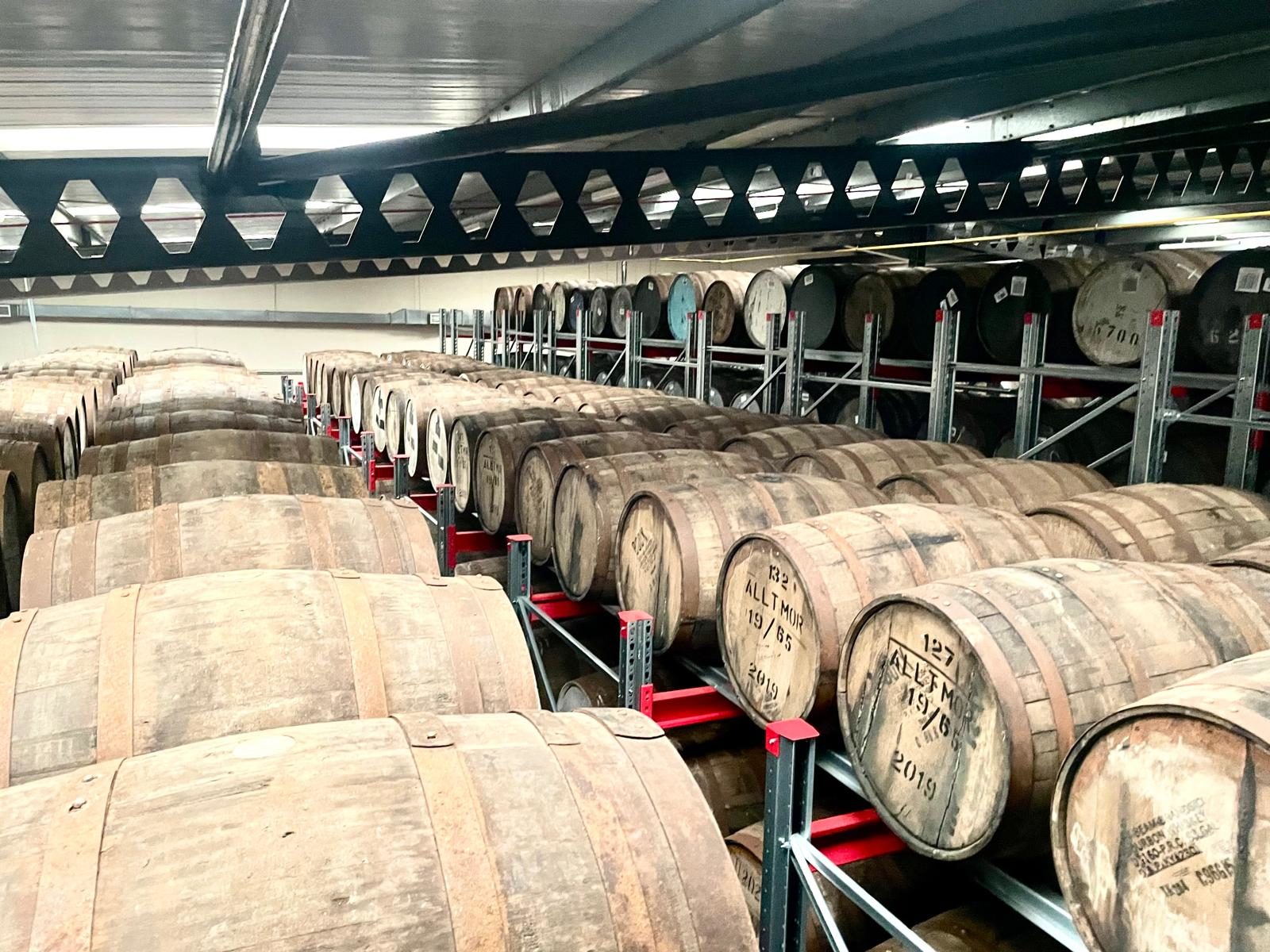
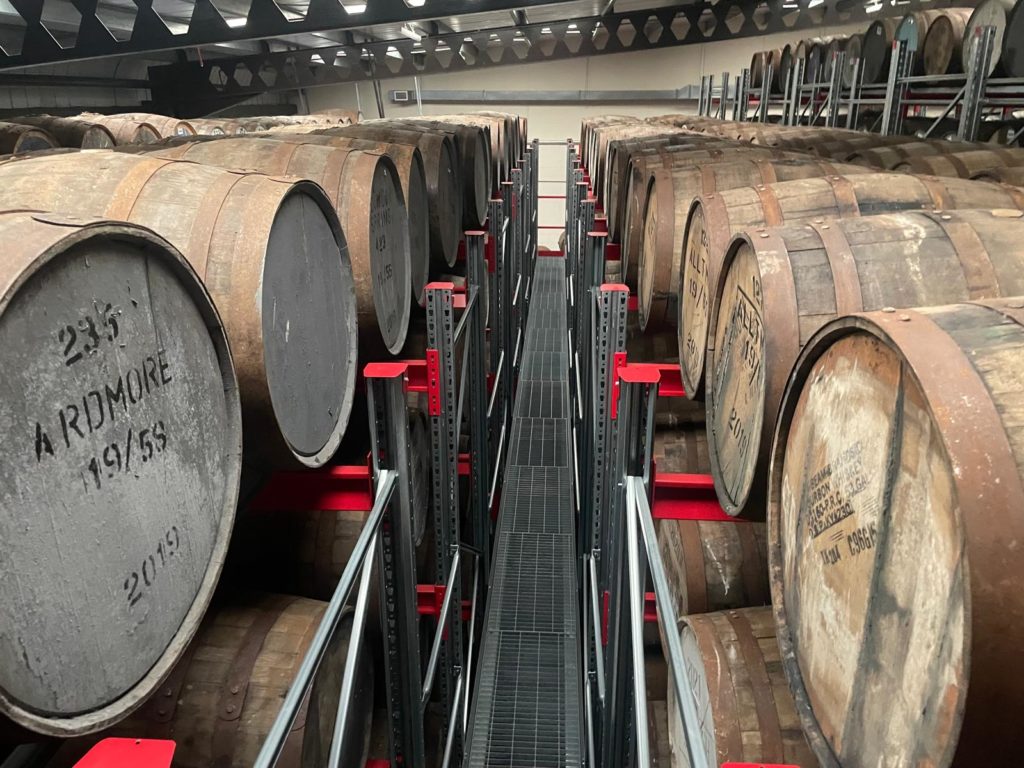
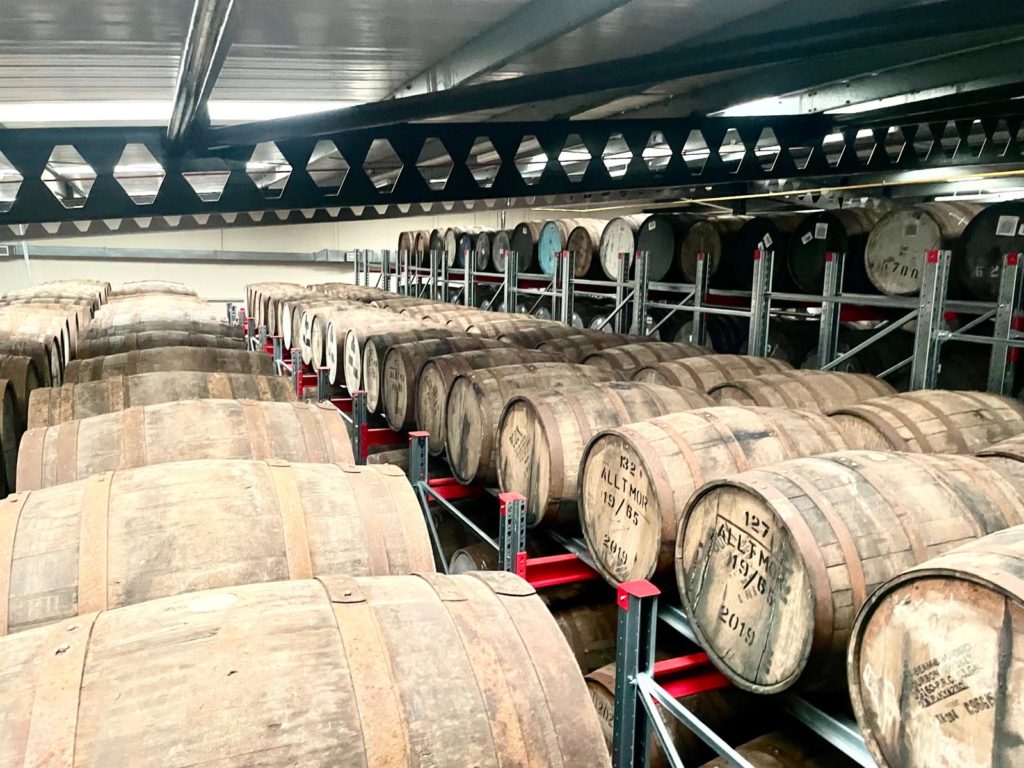
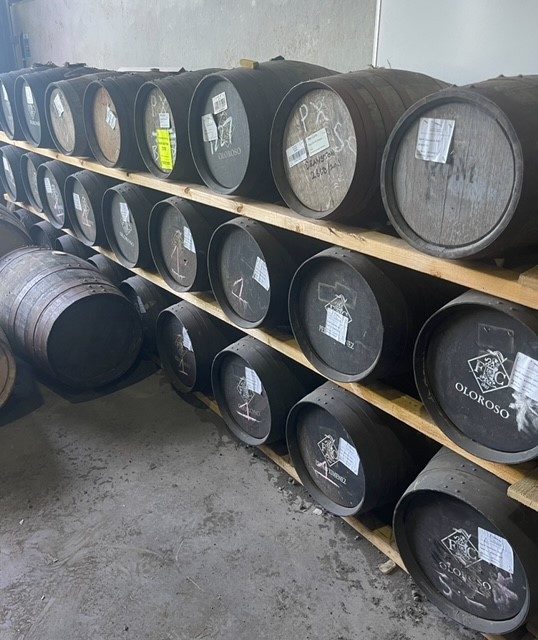
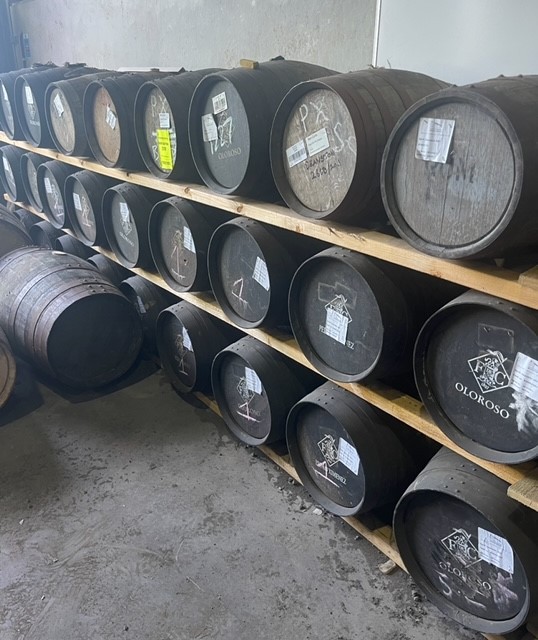
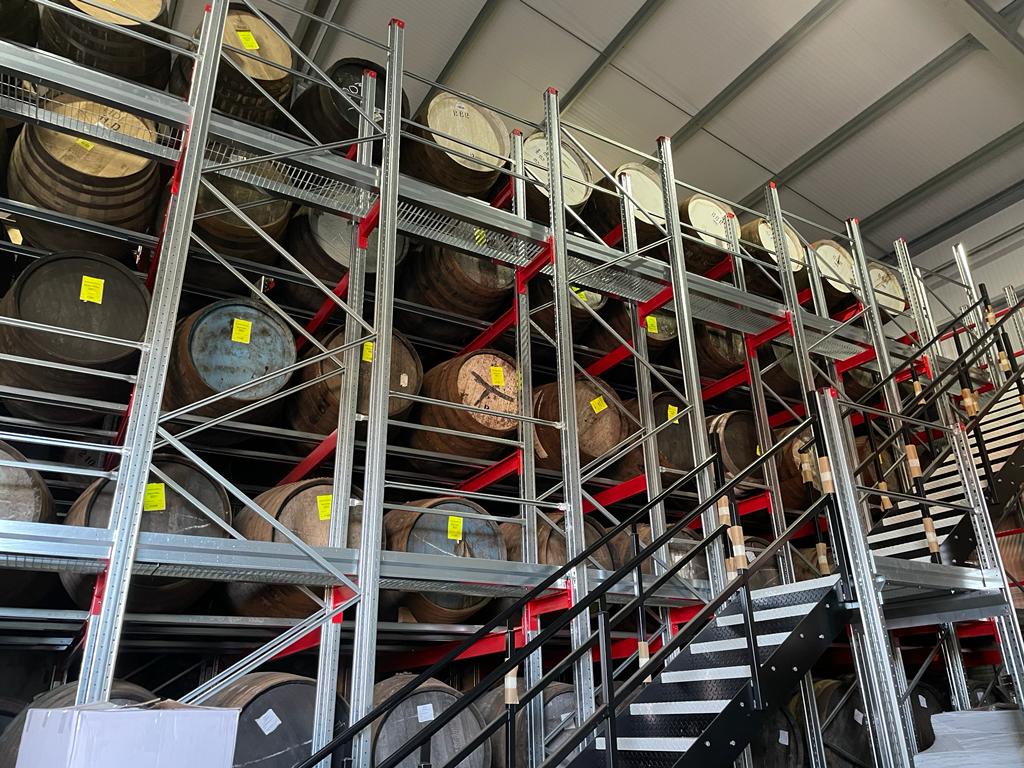
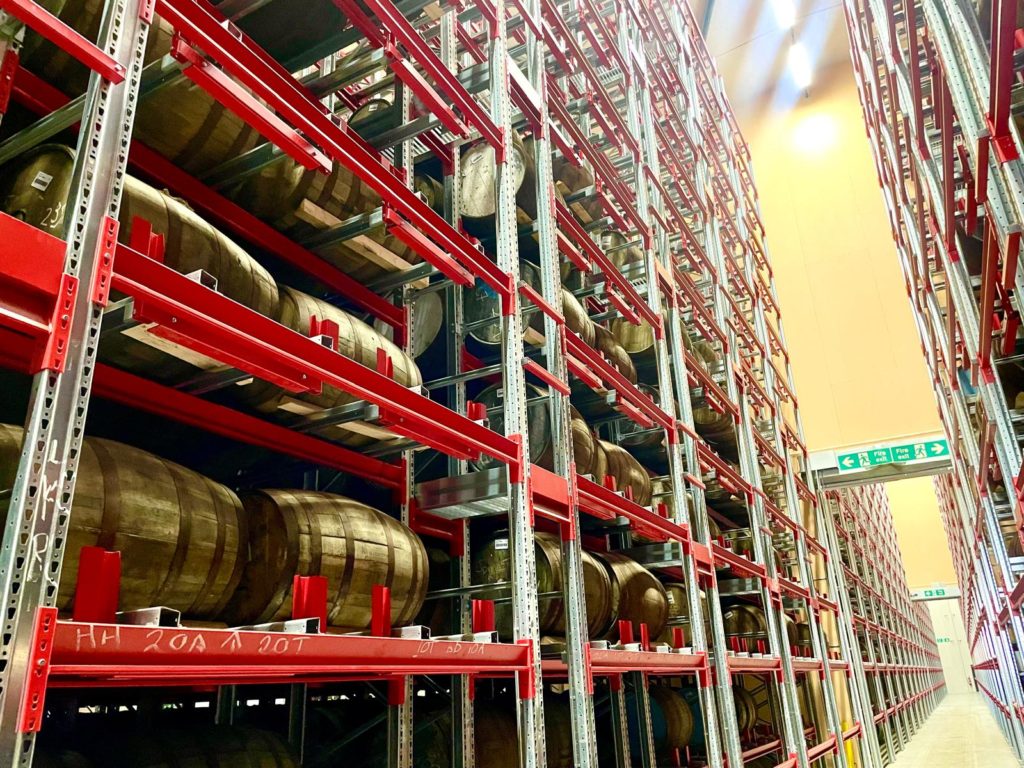
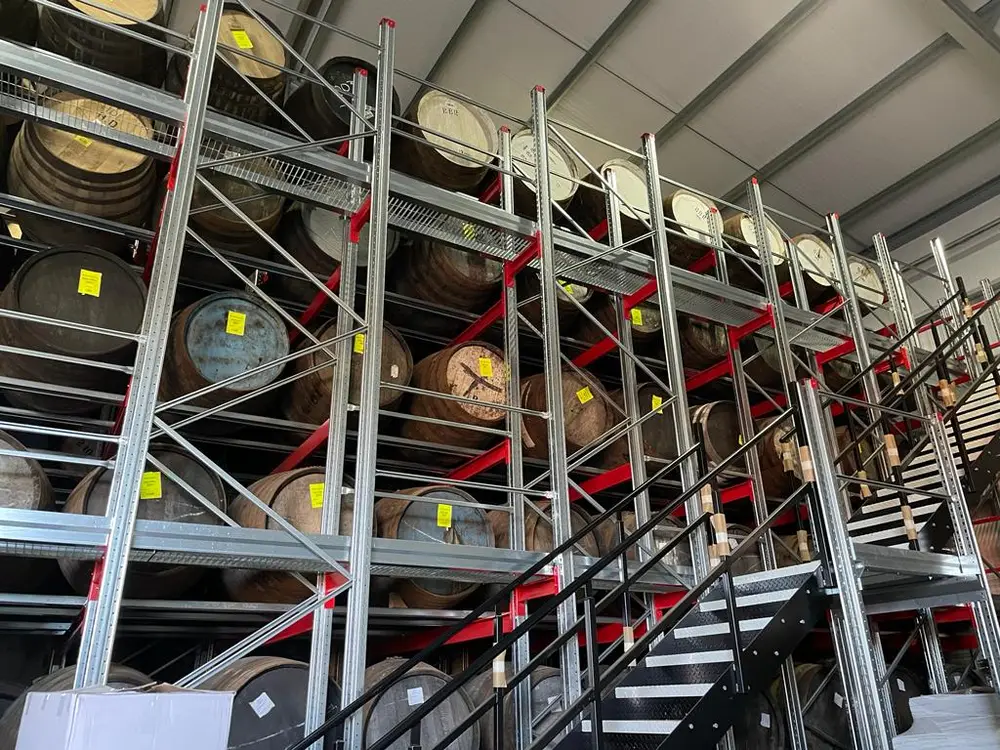
Warehouse Types: Racked Storage
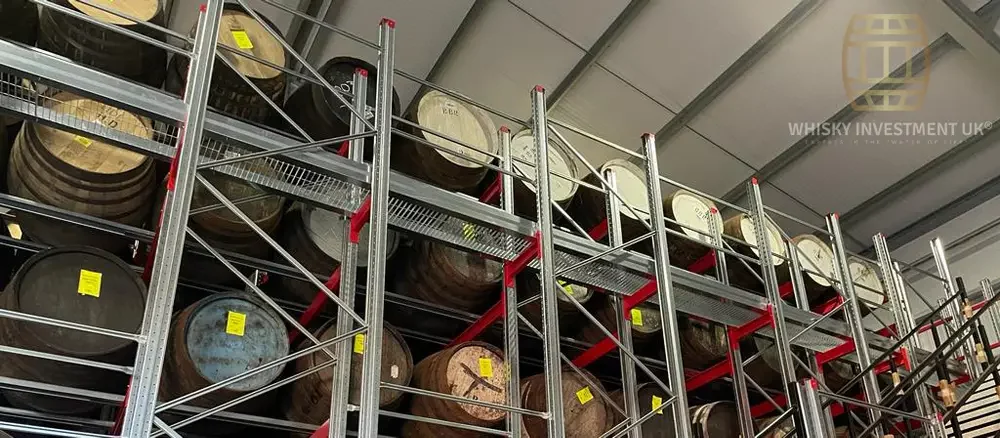
Many modern bonded warehouses use racked storage systems, where casks are stored on multi-level steel structures.
Key characteristics include:
Efficient Storage Structure: Enables organised, large-scale storage and cask management
Variable Conditions by Position: Temperature and airflow differences between upper and lower levels may influence maturation rates
Accessibility: Facilitates inspection, sampling, and inventory management where required
The Role of Scotland’s Climate
Scotland’s maritime climate is widely recognised as contributing to whisky maturation conditions.
Key environmental factors include:
Seasonal Temperature Variation: Causes the spirit to expand and contract within the cask, influencing interaction with the wood.
Humidity Levels: Can affect the balance between alcohol and water evaporation during maturation, which may influence the character of the spirit over time.
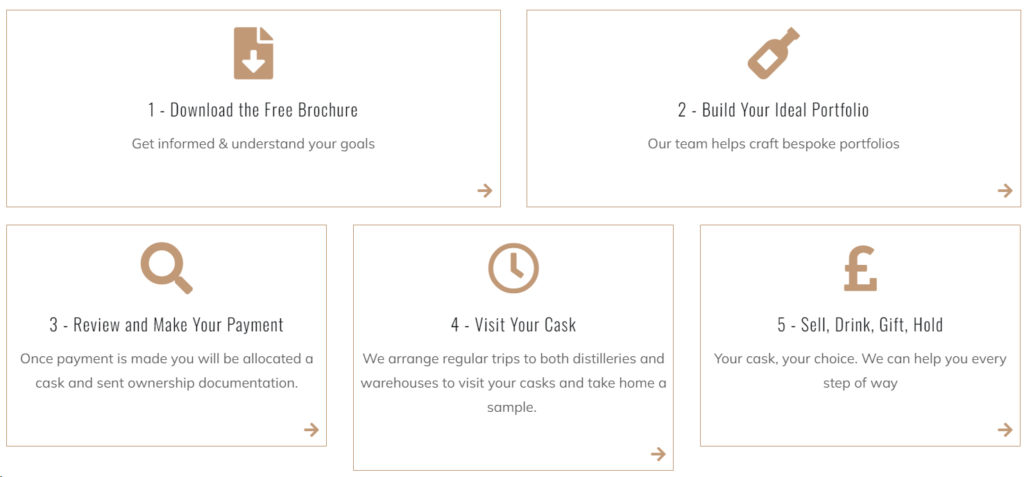
Visit Your Cask
Cask owners may, by arrangement, be able to visit their whisky stored in a bonded warehouse in Scotland. Visits are subject to warehouse approval, availability, and notice requirements.
Where permitted, sampling may also be arranged directly through the warehouse operator, allowing owners to experience their cask during maturation. Any samples drawn are for personal appreciation purposes only and do not indicate or guarantee future performance or value.
Owning a cask is about more than the final whisky; it is a journey defined by time, craft and tradition. From the careful process of maturation to the moment you sample whisky drawn from your own cask, each stage offers a deeper connection to Scotland’s whisky-making heritage.
One of Scotland’s oldest working distilleries, Glenturret has announced plans to phase out the use of peat in its whisky production, with a target to complete this transition as early as 2025.
Whisky Cask Investment and Capital Gains Tax Considerations
Whisky cask investments may, in certain circumstances, be treated as exempt from UK Capital Gains Tax (CGT), depending on how the asset is classified and the individual investor’s tax position.
Tax treatment is not guaranteed and will vary based on personal circumstances and prevailing legislation. Investors should seek independent professional tax advice to determine how any potential tax liabilities may apply to them.
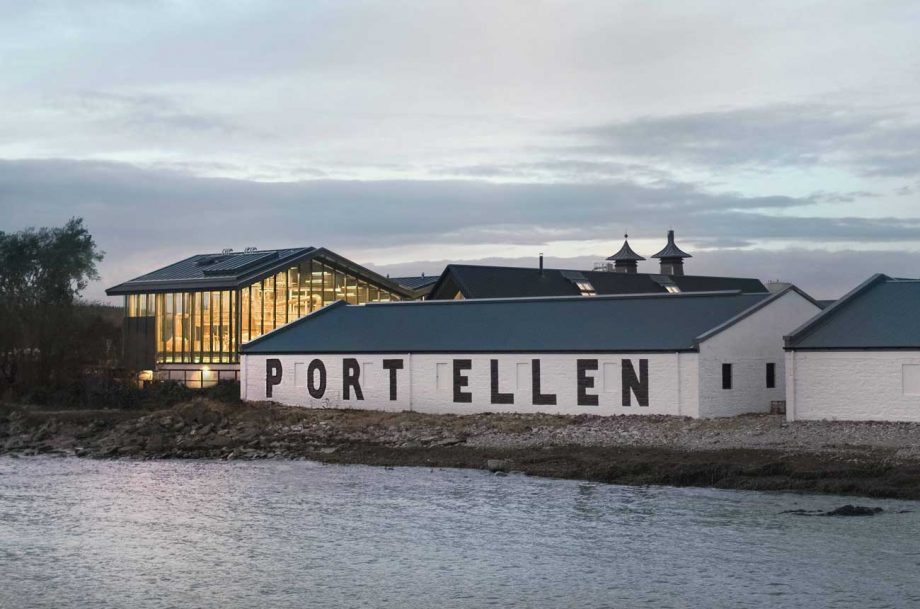
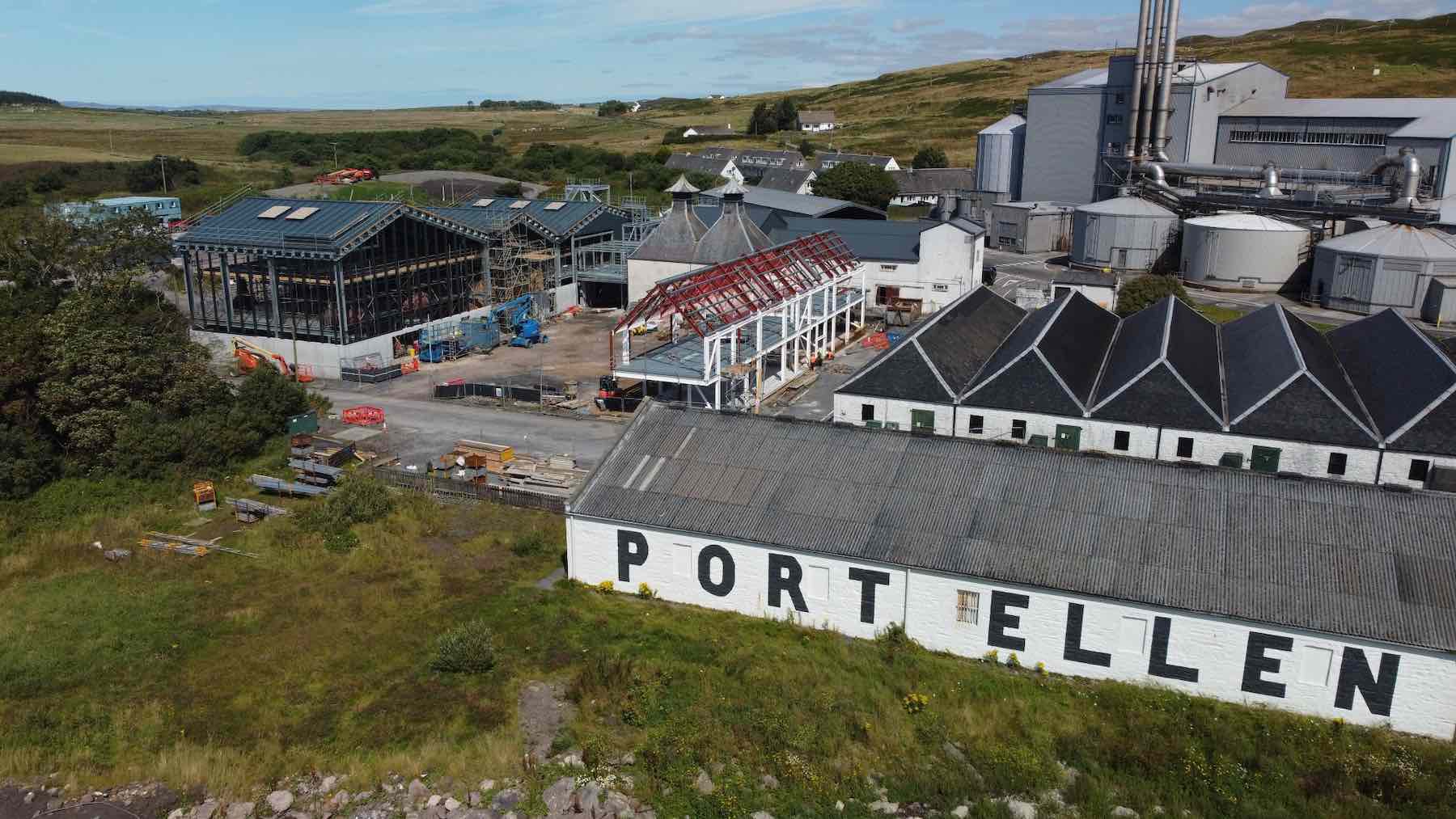
The reopening of Port Ellen Distillery on 19 March 2024 marked an important moment for Scotch whisky and has generated considerable interest across the industry.
Port Ellen, located on the island of Islay, was originally established in 1825 and became particularly well known for its distinctive peated whisky. The distillery ceased production in 1983, but its reputation continued to grow among whisky enthusiasts and collectors, with whisky from the original distillery becoming highly sought after.
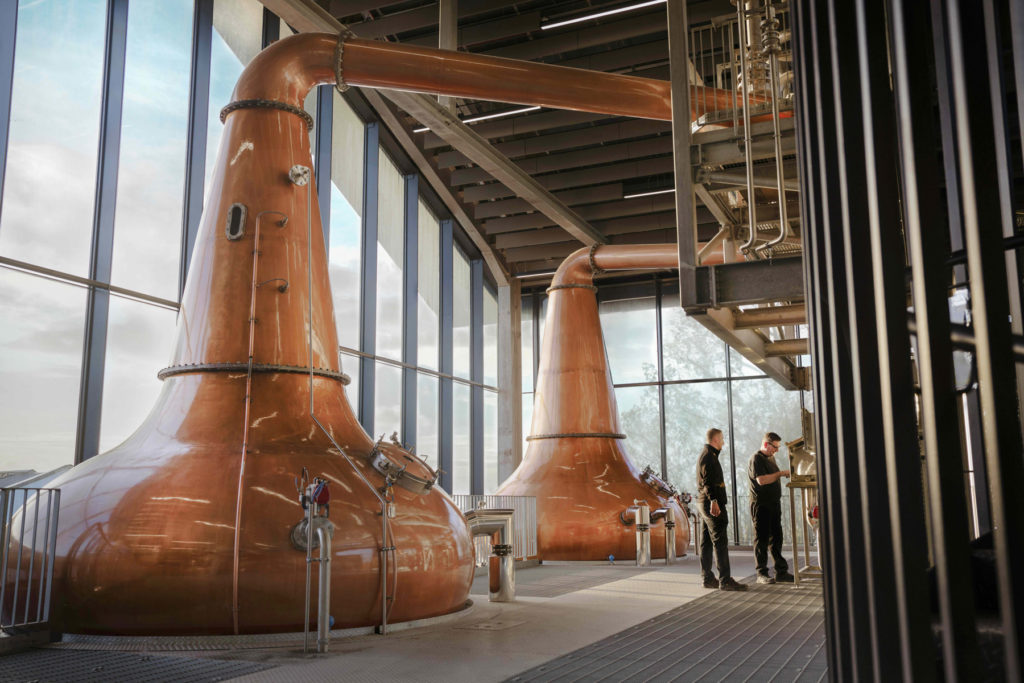
Following its reopening, production at Port Ellen has resumed, bringing the distillery into a new chapter while retaining its connection with Islay’s long-standing whisky-making heritage.
The reopening is significant not only because production has returned, but also because it provides an opportunity to observe how the new distillery’s spirit develops over time. As with any newly produced spirit, its eventual character, maturation profile and demand will become clearer as stocks mature and future releases emerge.
For those interested in Scotch whisky, Port Ellen provides an interesting example of how distillery history, production and consumer interest can evolve over time.
The Port Ellen Distillery is now officially open for business on Islay, breathing new life back into an old legacy building. This content has been created by WIUK for the purposes of information only. The Port Ellen distillery, Diego and its products which may be trademarked are not connected to WIUK and we make no inference or connection to them.
We currently have a selection of whisky casks available from £2,695, subject to availability and the individual characteristics of each cask.
Our sourcing team regularly reviews opportunities across the Scotch whisky market, with a focus on identifying casks from a range of distilleries, maturation types and barrel specifications.
Recent parcels have included casks matured in different types of wood, including first-fill Brandy and first-fill Château Margaux wine casks. The type and previous contents of a cask can influence the maturation characteristics of the whisky, making each cask an individual asset with its own specifications and history.
The VAT treatment of a whisky cask can depend on the circumstances of the transaction and how the cask is held and supplied. Where a particular cask is advertised as “no VAT”, the applicable VAT treatment will be explained before purchase and should not be interpreted as a statement that all whisky cask transactions are exempt from VAT.
Important information
Whisky casks are an unregulated tangible asset and are not a regulated investment product. They do not benefit from the protections that apply to regulated financial products, including Financial Services Compensation Scheme (FSCS) protection.
The value of whisky casks can go down as well as up. There is no guarantee of future value or profit. You may not be able to sell your cask when you want to or for the price you expect. Past performance is not necessarily a guide to future performance.
This article is provided for general information and should not be regarded as personal financial advice or a recommendation to purchase any particular whisky cask. Prospective purchasers should make their own assessment and consider obtaining independent professional advice where appropriate.
What should you consider when purchasing a whisky cask?
Whisky casks are a tangible asset, but their value is not guaranteed and can go down as well as up.
The future value of an individual cask can be affected by a range of factors, including the distillery, age, spirit characteristics, cask type and condition, maturation, prevailing market demand and the costs associated with storage, insurance, regauging and eventual sale or bottling.
There is also no guarantee that a cask will increase in value, achieve a particular future valuation or be sold at a profit. A buyer may not be able to sell a cask when they want to or for the price they expect.
Past performance or historical market demand is not a reliable indicator of future performance.
Anyone considering purchasing a whisky cask should carefully consider the potential risks, costs and their own circumstances before proceeding. Whisky casks should not be viewed as a guaranteed-return product or as a substitute for regulated financial products.
Whisky cask ownership has attracted growing interest from people who enjoy Scotch whisky and are interested in owning a tangible asset associated with the whisky-making process.
But what does owning a whisky cask actually involve, and what should you consider before making a purchase?
What is a whisky cask?
A whisky cask contains maturing spirit that remains in a bonded warehouse for a period of time while the whisky develops its character.
During maturation, the spirit can change in flavour, character and strength. The volume of spirit can also reduce over time through evaporation, commonly referred to as the “angel’s share”.
The eventual characteristics and value of an individual cask can be influenced by factors including the distillery, spirit, cask type, age, condition, maturation environment, available supply and prevailing market demand.
Whisky casks as an alternative asset
Some people purchase whisky casks with the intention of holding them for a period of time and potentially selling the cask or arranging for the whisky to be bottled in the future.
However, there is no guarantee that a whisky cask will increase in value or generate a profit.
The value of whisky casks is variable and can go down as well as up. There is also no guarantee that a buyer will be available when an owner wishes to sell, or that a cask can be sold for the amount originally paid or for any future valuation.
Historical market performance, previous sales or the reputation of a distillery should not be regarded as an indication of future performance.
What costs should you consider?
The purchase price is not necessarily the only cost associated with owning a whisky cask.
Depending on the arrangements applicable to the individual cask, owners may incur costs such as storage, insurance, regauging, administration, transfer, sale or bottling costs.
The applicable costs, terms and conditions should therefore be considered before purchasing a cask.
How can ownership be realised?
An owner may, subject to the applicable terms and market conditions, seek to realise ownership through a private sale, a third-party auction or another available route. Alternatively, an owner may choose to have the whisky bottled, subject to the relevant requirements and costs.
There is no guarantee that a cask can be sold at a particular price or within a particular timeframe.
Important information
Whisky cask ownership is an unregulated investment in the UK. The value of a whisky cask can go down as well as up, and there is no guarantee of future returns or profit. Past performance or historical market information is not necessarily a guide to future performance. Fees and other costs may apply, and terms and conditions apply to the purchase and ownership of a cask.
Whisky cask ownership does not provide the same regulatory protections as regulated financial products and is not covered by the Financial Services Compensation Scheme (FSCS).
Prospective purchasers should consider the risks, costs and potential exit routes carefully before deciding whether whisky cask ownership is appropriate for them. This article is provided for general information and should not be regarded as personal financial advice or a recommendation to purchase any particular cask.
Information relating to individual casks, including age, volume, alcohol strength, cask type, pricing, storage arrangements and applicable costs, should be confirmed before purchase and may change according to availability and market conditions.
It is impossible to think of Scotland without thinking of Scotch Whisky. Its roots are firmly embedded in Scottish history and traditions but today it is found in the most stylish bars in the world’s biggest cities. For more than 500 years the Scots have successfully taken the natural ingredients which our country has been blessed with to create the world’s leading international spirit drink.
Distilled in over 150 distilleries dotted around Scotland from the Northern Isles to the Borders it is exported to around 180 markets across the globe – an unrivalled reach for the product of any one country.
Scotch Whisky makes up a quarter of the UK’s food and drink exports and the value of annual exports has grown consistently for more than a decade. All of this creates considerable interest in investing in Scotch Whisky, driven by a desire to share in its success.
A personal investment opportunity?
Severalcompanies promote individual ownership of a Scotch Whisky cask as worthwhile and potentially lucrative.Potentialinvestorsshouldcarefully assessthe sales offer, carry out duediligenceand takeappropriateadvice.The Scotch Whisky Association is notableto offer advice on the purchase or sale of casks as an investmentandis not responsible for regulatingthe whiskycaskmarket. Nevertheless, we believe that potential investorsshould understand something of the structure and operating methods of the industryto assess the risk vs reward of cask investment proposals.
Scotch Whisky and its market
World exports of Scotch Whisky are currently worth in excess of £5.9 billion. Blended Scotch Whiskies, which contain spirit from many different distilleries make up the majority of sales.
To meet this demand, Scotch Whisky blenders, who need whiskies aged for different lengths of time, contract with individual distilleries for the supply of the spirit that they require, laying down their stocks several years in advance. This enables Scotch Whisky distilleries to plan and maintain production at appropriate levels.
As a result, there is no regulated market for mature or maturing casks of Scotch Whisky, no officially published list of buying and selling prices for casks from different distilleries or at different ages and no established mechanism for selling. Scotch Whisky casks are not a regularly traded commodity on an open market. It is traded within the industry, sometimes through Scotch Whisky brokers, but primarily by contract between blenders and distillers who will sometimes exchange casks with no money changing hands.
It is possible, subject to availability and willingness, to purchase casks of Scotch Whisky, either newly distilled or maturing, from distillers for personal use. Casks are sometimes also purchased from time to time as a form of speculation with the intention of re-selling them at a profit. However it must be emphasised that only a tiny proportion of the total amount of Scotch Whisky produced in Scotland is bought and sold in this way.
The promotion of investment opportunities
Opportunities to invest in casks sometimes include indications of the likely return that the investors might hope to make.
Scotch Whisky casks however are no different from other commodities, whose values rise and fall according to supply and demand. The only certainty about owning a cask is that it will lose roughly 2% of its contents through evaporation each year.
Warehousing your cask
You arevery likelyto be charged for storage and insurance for the time the cask is in the warehouse. There may also be charges if your cask requires to be moved or its contents measured to check, for example, its alcoholic strength. Movement of the cask under bond is strictly controlled and can only be carried out by authorised operators.
Bottling your cask
You will need to factor in the cost of bottling (Single Malt Scotch Whisky must only be bottled in Scotland). If a private owner ultimately decides to bottle their cask, excise duty will normally be due when the bottles are dispatched to the owner. The duty due will be based on the rate of duty applicable at that point and not when the cask was purchased. Thus the purchase price of the cask is only the initial outlay.
In 2024 the rate of duty in the UK is £31.64 per litre of pure alcohol to which Value Added Tax at 20% must be added. This will require a further outlay of several thousand pounds on the average cask.
You should bear in mind that most bottlers are set up to bottle large volumes of spirits and it may take some effort to find one who is willing to bottle a single cask.
Non-UK investors should consider any duties and taxes due for importing bottled Scotch Whisky into another country.
Essential things to consider
If you decide to make a personal investment in a Scotch Whisky cask you should consider taking the following steps:
Identify clearly the whisky on offer. Any company offering Scotch Whisky for sale should be able to confirm whether it is a Scotch Malt Whisky or Scotch Grain Whisky, the name of the distillery where it was produced, the year of distillation and a cask reference number.
Check that the offer price is realistic by contacting the distillery or company whose whisky it is, or speak to an established whisky broker or specialist auction house.
Also check any claimed return with an established whisky broker, but even then you should treat this with caution as the figure for which your cask might be sold depends on many variable factors.
Most distillery names are trademarked and sometimes there will be a contractual limitation on the use of the name should you sell or bottle your cask. Before purchasing, you should check whether any conditions apply, particularly if you are not purchasing directly from the distillery.
Consider whether there are any limitations on whether you can move your cask and how you can dispose of your cask. Some sellers may include, for example, a contractual term that it may only be matured at their premises and/or bottled by them exclusively for personal consumption.
By law, Scotch Whisky may only be matured in an approved warehouse in Scotland which has been verified by His Majesty’s Revenue and Customs. Therefore you should check the location of your cask before going ahead with the purchase. You can check to see if a facility has been verified on the HMRC website here.
“By law, Scotch Whisky may only be matured in an approved warehouse in Scotland which has been verified by His Majesty’s Revenue and Customs.”
Insist upon receiving a receipt for the purchase price and a copy of the contract of sale which should:
provide a full description of the whisky purchased i.e. type, distillery, and year of distillation;
identify the cask purchased and in particular the cask number, the type of cask (ex-Bourbon, ex Sherry etc.) and the volume of the contents;
identify the warehouse in which the casks are stored and the warehousekeeper; and explain the costs connected to the storage of your cask.
Your contract of sale represents your legal title and is proof of purchase of your cask but ensuring your ownership of the cask is recognised, and understanding who has control over it, may require further action as set out below.
If the cask is located in a warehouse that belongs to someone other than the seller, you should ensure that the transfer of ownership is properly recorded and acknowledged by the warehousekeeper. Traditionally this was done by way of a delivery order, a document setting out the details of the cask to be transferred, signed by purchaser and seller and then delivered to the warehousekeeper. Nowadays other documents may suffice but you should check with the warehousekeeper what documents they require to record ownership in your name and ensure that the seller can deliver them to you before completing the purchase.
Check that your insurance is adequate for your needs. Does the insurance cover, for example, loss of spirit as a result of a leaking cask?
As the owner of a cask stored in an approved warehouse, you should satisfy yourself that the warehouse and warehousekeeper are approved by HMRC. This also includes ensuring that the warehousekeeper is registered with HMRC under the Warehousekeepers and Owners of Warehoused Goods Regulations 1999 (‘WOWGR’). You might also be required to register with HMRC and obtain a WOWGR approval if you are deemed to be a ‘Revenue Trader’. Further information can be found in HMRC’s Excise Notice 196 (in particular, section 5).
Be aware that as well as reducing in volume, the contents of your cask will reduce in strength over time. It important that you monitor the strength of your cask, particularly if you are maturing it for a long time because if the strength falls below 40% abv, you will no longer be able to bottle it as Scotch Whisky.
When purchasing a cask, you should be aware of the special nature of the trade in Scotch Whisky and the costs involved. Investors should recognise that there are risks involved, both as regards the potential value of their investment and the opportunities to sell it on. Nevertheless, purchasing a cask for your own personal use can give you great pleasure and enable you to create a unique Scotch Whisky to your own specifications.
By Darren Hughes (Head of Stock and Logistics at WIUK® and Speyside Bonded warehousing)
In the heart of Scotland, where the rolling hills are adorned with amber hues and the air carries the distinct aroma of peat, lies an invaluable treasure trove – whisky casks. These barrels, filled with liquid gold, are not only a testament to Scotland’s rich distilling heritage but also a significant economic asset. Stored in His Majesty’s Revenue and Customs (HMRC) bonded warehouses, the security of these whisky casks becomes paramount. WIUK ® delve into the measures taken to safeguard these precious barrels.
HMRC Bonded Warehouses: The First Line of Defence
HMRC bonded warehouses are high-security facilities designed to store goods that are subject to excise duties, such as alcohol. These warehouses play a crucial role in ensuring that taxes are paid on alcoholic beverages before they are released into the market. Whisky casks stored in these facilities benefit from the strict protocols and surveillance systems implemented to deter theft and maintain regulatory compliance.
Surveillance and Monitoring Systems: Keeping a Watchful Eye
State-of-the-art surveillance and monitoring systems are the backbone of whisky cask security. These systems employ a combination of CCTV cameras, motion sensors, and access control measures to monitor every corner of the warehouse. Any unauthorized access or suspicious activity triggers immediate alerts, allowing security personnel to respond swiftly and effectively.
Temperature and Humidity Controls: Preserving the Elixir
Whisky, a delicate spirit, matures best under specific conditions. HMRC bonded warehouses are equipped with advanced climate control systems to maintain stable temperatures and humidity levels. This not only ensures the quality of the whisky but also acts as an additional layer of security, as any attempt to tamper with these conditions would be detected promptly.
Inventory Tracking and Management: Every Cask Accounted For
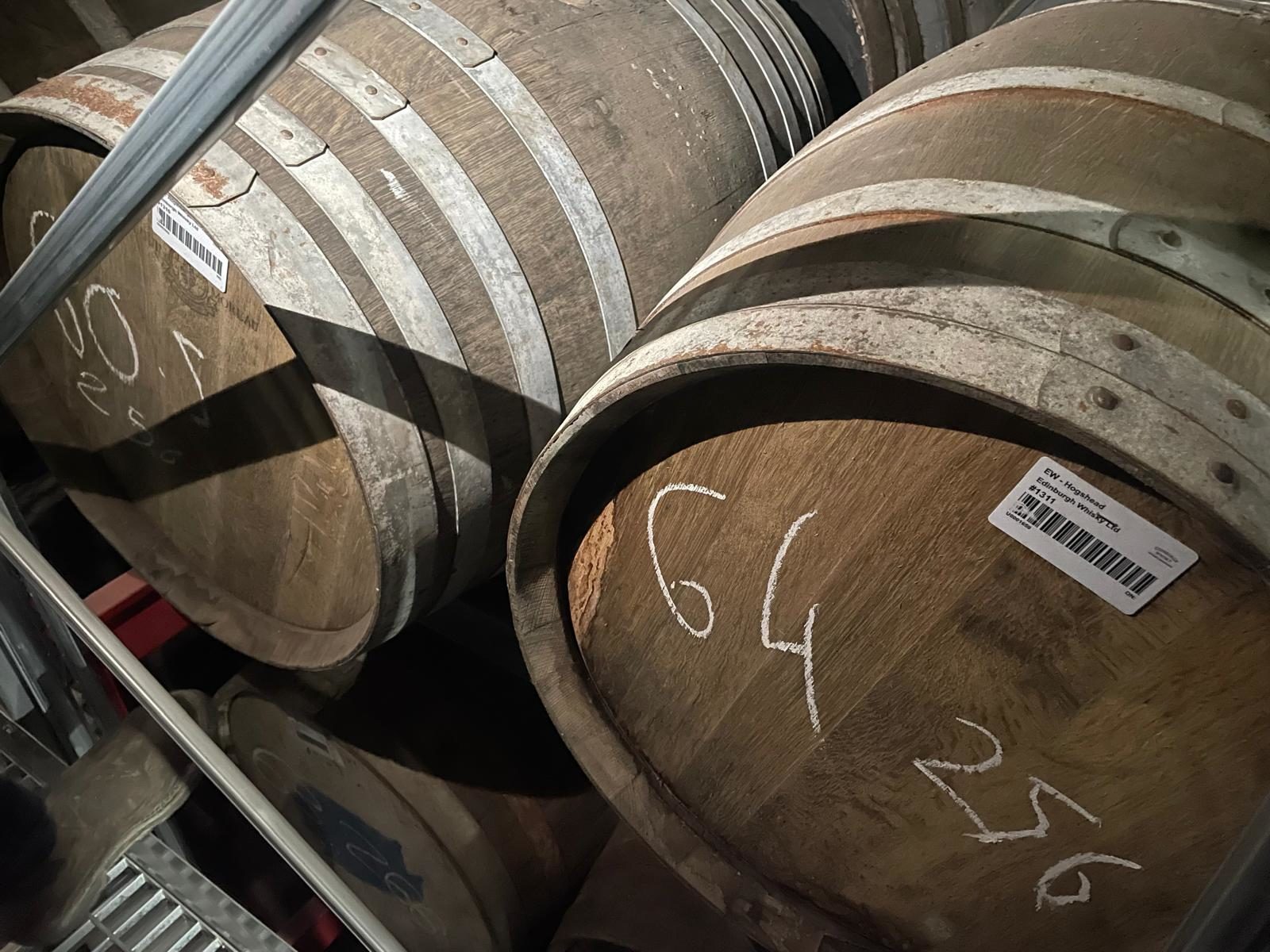
Each whisky cask within the bonded warehouse is meticulously catalogued by a unique cask number and an AYS date and are tracked through a sophisticated inventory management system. This digital record-keeping enables warehouse managers to monitor the movement of each cask, making it nearly impossible for any cask to go missing without raising immediate alarms.
Physical Security Measures: Fortifying the Fortress
Beyond the digital realm, physical security measures are in place to safeguard the whisky casks. Fences, gates, and restricted access areas create a perimeter that is challenging to breach. Security personnel, trained to handle various situations, patrol the premises, ensuring a visible presence that acts as a deterrent against potential threats.
Opening a private account
Opening a private account at an HMRC bonded warehouse in Scotland involves a series of steps and considerations, as these facilities are primarily designed for businesses engaged in the import, export, and storage of goods, that hold a WOWGR licence, WIUK ® are working with several independent bonded warehouse that will open private accounts for our clients without the need of having a WOWGR licence or having a WOWGR licence.
Be prepared to provide necessary documentation when opening an account, like when purchasing a cask from WIUK ® you will need to provide personal identification, proof of address, and any business-related documents if applicable.
Clearly communicate the purpose of the private account and the type of goods (e.g., whisky casks) you intend to store.
Understand Costs and Fees:
Ensure compliance with all relevant regulations and legal requirements. HMRC bonded warehouses are subject to strict regulations, and adherence is crucial to avoid legal issues.
Security Measures:
Understand the security measures implemented by the warehouse to safeguard stored goods. This may include surveillance systems, access controls, and physical security measures.
Inventory Management:
Inquire about the inventory management system in place. A robust system ensures accurate tracking and management of stored goods.
Discuss Terms and Conditions:
Review and discuss the terms and conditions associated with opening a private account. Clarify any doubts regarding responsibilities, liabilities, and access to stored goods.
Visit the Warehouse:
WIUK® can arrange a visit to the warehouse to personally assess the facilities and discuss your needs with the management.
Storage and insurance fees:
Storage fees are typically charged based on the volume of whisky casks or pallets being stored and the duration of storage. Warehouses may have different rates for short-term storage (e.g., a few months) versus long-term storage (several years). Some warehouses offer tiered pricing based on the quantity of whisky being stored, with discounts for larger volumes.
Insurance fees cover the cost of insuring the stored whisky against various risks, such as theft, fire, natural disasters, and accidental damage. Insurance fees are often calculated as a percentage of the declared value of the stored goods
Transparency:
WIUK® have spent over 2 years verting different bonded warehouse that provides transparent and detailed billing statements, outlining all charges associated with storage and insurance.
Regular communication with the warehouse regarding fees and any changes in rates is essential to avoid surprises.
WIUK® can arrange a visit to the warehouse to personally assess the facilities and discuss your needs with the management.
If you would like more information on which warehouses will open a private account, or you would like to discuss whisky cask ownership, please contact us at [email protected] or call 01343 610 224 to arrange a chat with one of our whisky experts.