
Unlocking Whisky Cask Ownership
How Delivery Orders Work, How Casks Are Stored, and the Process of Scotch Whisky Maturation in Scotland
Unlocking Whisky Cask Ownership
How Delivery Orders Work, How Casks Are Stored, and the Process of Scotch Whisky Maturation in Scotland
For Whisky Enthusiasts: Cask Ownership
Owning a cask of Scotch whisky offers direct involvement in the maturation process of a regulated spirit stored in bond in Scotland. It is an ownership experience centred on tradition, provenance, and time in maturation.
Cask ownership should not be viewed as a short-term opportunity or an implied investment strategy. The process involves long holding periods, ongoing costs, and a range of variables that may influence the final outcome, including but not limited to cask type, storage conditions, and market demand.
Transfer of Ownership (WIUK® Process)
When purchasing a cask through Whisky Investment UK (WIUK®), we facilitate the administrative transfer of ownership within an HMRC-licensed bonded warehouse in Scotland.
This process typically involves creating a private customer account with the warehouse operator. Once established, a Delivery Order (DO) is issued to formalise the transfer of ownership records.
A Delivery Order is a warehouse document used to instruct the transfer of ownership of goods held in bond. It is completed, acknowledged by the relevant parties, and submitted to the warehouse, which then updates its records to reflect the new owner.
The Maturation of Scotch Whisky
The maturation of Scotch whisky is a regulated process that takes place exclusively in Scotland. During this period, the spirit interacts with the cask and its storage environment, gradually developing character.
It is important to note that maturation outcomes vary and are not predictable or guaranteed. The final profile of a whisky is influenced by multiple factors, including cask history, wood type, warehouse conditions, and duration of maturation.
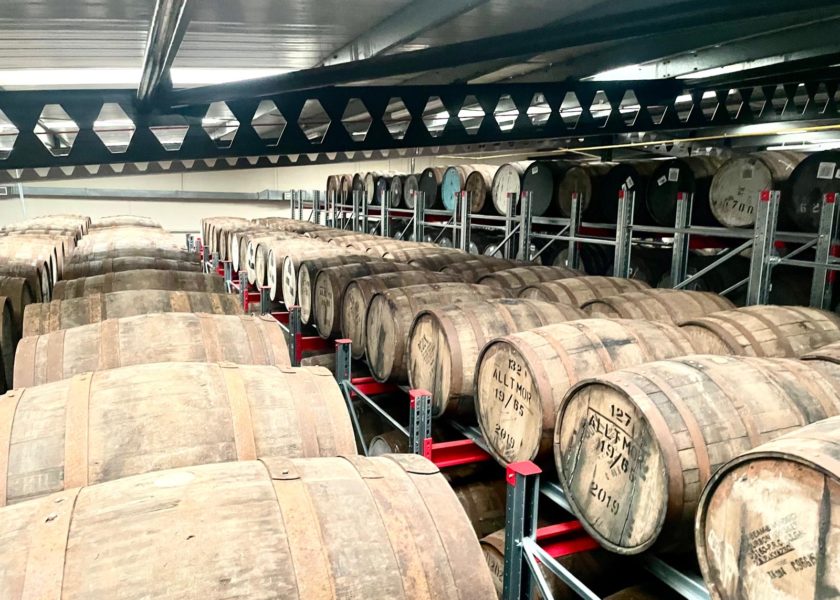
Warehouse Types: Racked Storage
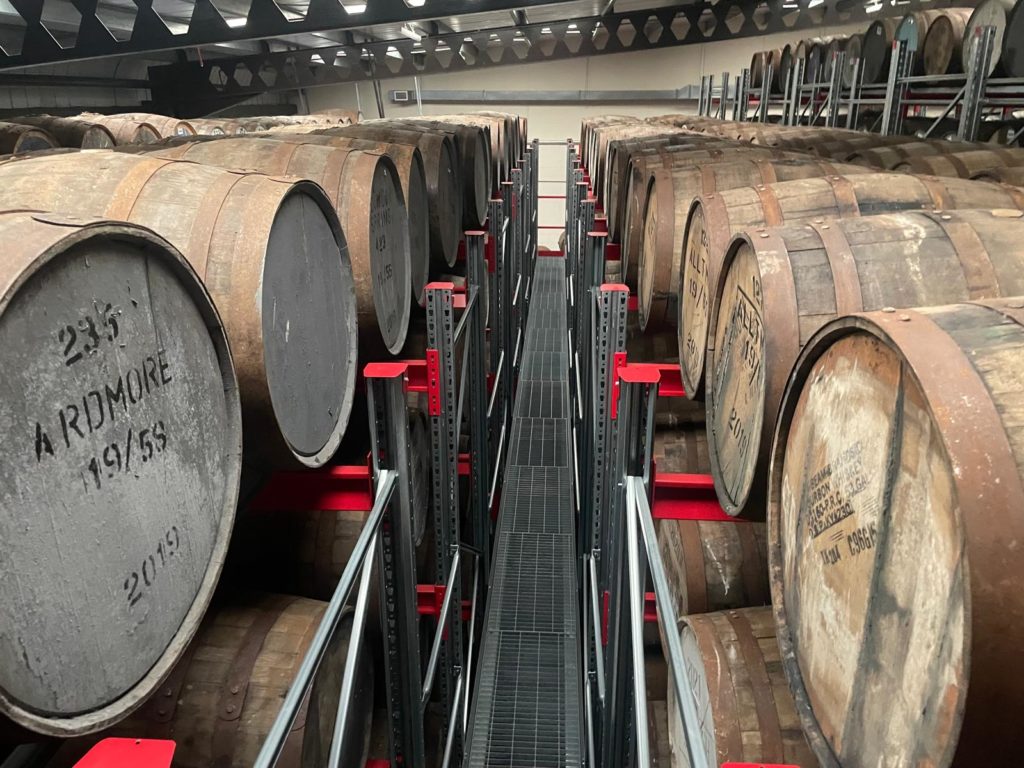
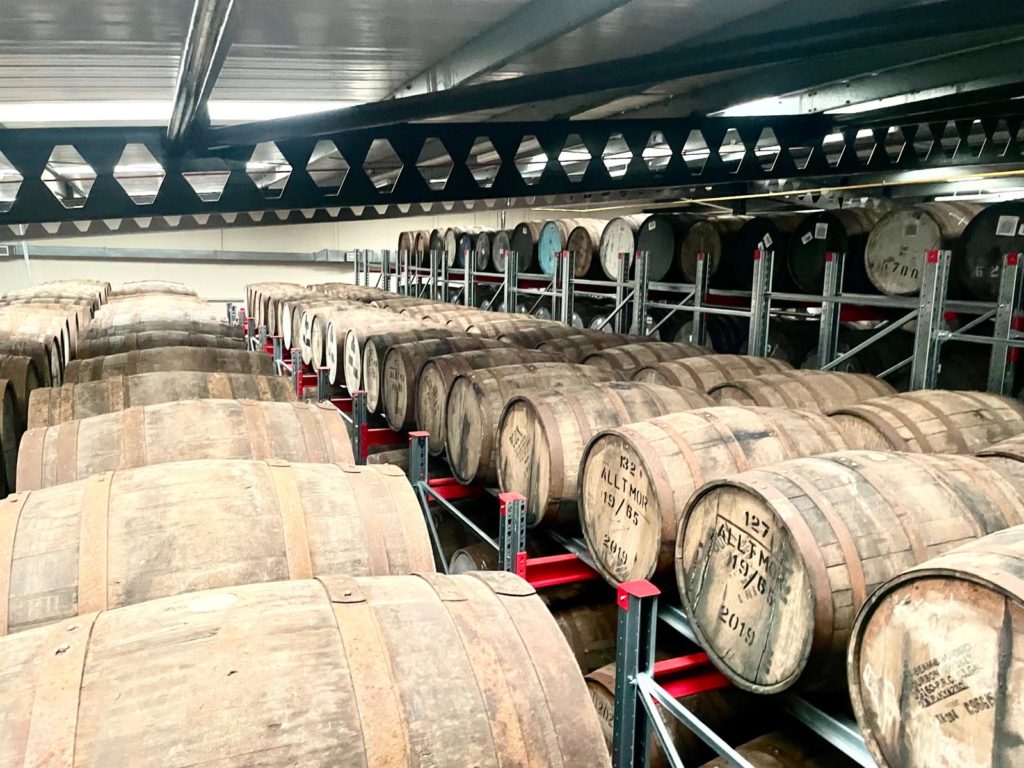
Many modern bonded warehouses use racked storage systems, where casks are stored on multi-level steel structures.
Key characteristics include:
- Efficient Storage Structure: Enables organised, large-scale storage and cask management
- Variable Conditions by Position: Temperature and airflow differences between upper and lower levels may influence maturation rates
- Accessibility: Facilitates inspection, sampling, and inventory management where required
The Role of Scotland’s Climate
Scotland’s maritime climate is widely recognised as contributing to whisky maturation conditions.
Key environmental factors include:
- Seasonal Temperature Variation: Causes the spirit to expand and contract within the cask, influencing interaction with the wood.
- Humidity Levels: Can affect the balance between alcohol and water evaporation during maturation, which may influence the character of the spirit over time.
Visit Your Cask
Cask owners may, by arrangement, be able to visit their whisky stored in a bonded warehouse in Scotland. Visits are subject to warehouse approval, availability, and notice requirements.
Where permitted, sampling may also be arranged directly through the warehouse operator, allowing owners to experience their cask during maturation. Any samples drawn are for personal appreciation purposes only and do not indicate or guarantee future performance or value.
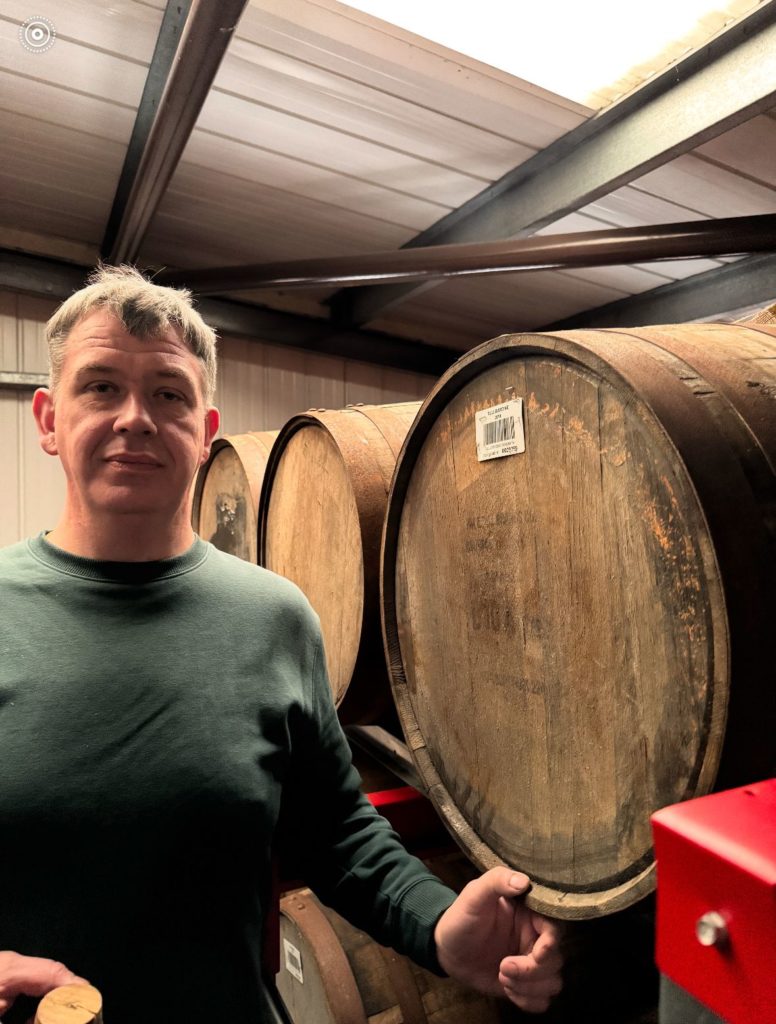
Owning a cask is about more than the final whisky; it is a journey defined by time, craft and tradition. From the careful process of maturation to the moment you sample whisky drawn from your own cask, each stage offers a deeper connection to Scotland’s whisky-making heritage.