
Tag: News

glenturret

Whisky Investment UK: A Commitment to Sustainability and Quality

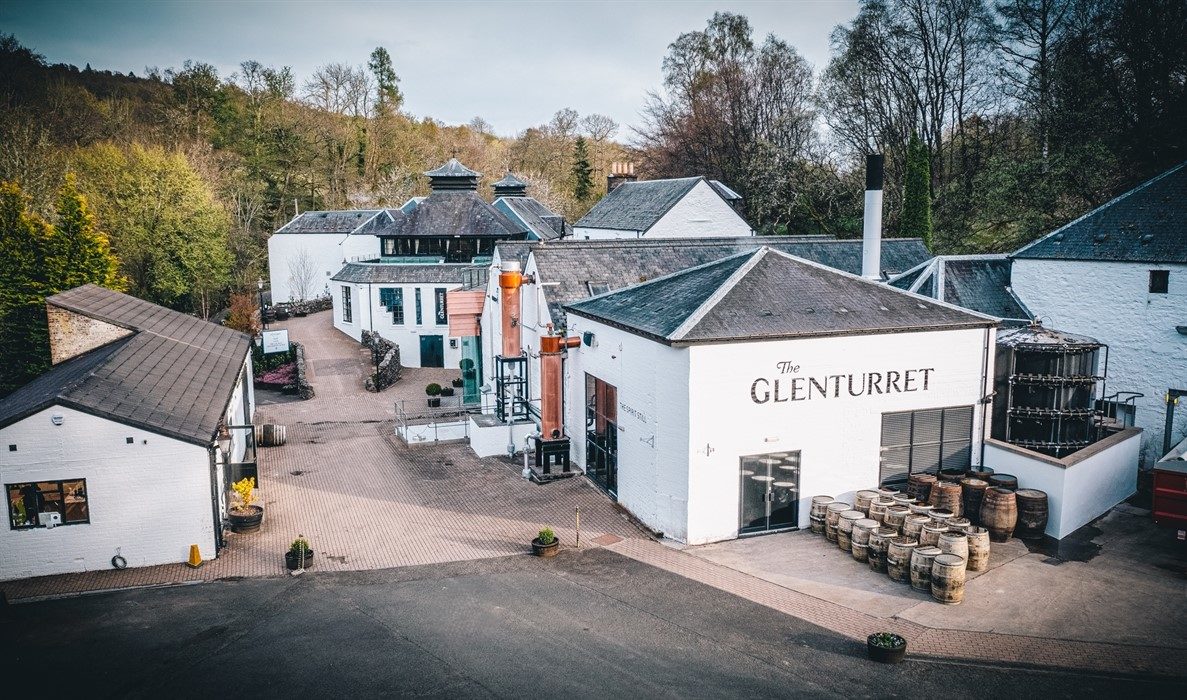
One of Scotland’s oldest working distilleries, Glenturret has announced plans to phase out the use of peat in its whisky production, with a target to complete this transition as early as 2025.
whisky_capital gains_tax_free

Whisky Cask Investment and Capital Gains Tax Considerations

Whisky Cask Investment and
Capital Gains Tax Considerations

Whisky cask investments may, in certain circumstances, be treated as exempt from UK Capital Gains Tax (CGT), depending on how the asset is classified and the individual investor’s tax position.

Tax treatment is not guaranteed and will vary based on personal circumstances and prevailing legislation. Investors should seek independent professional tax advice to determine how any potential tax liabilities may apply to them.

Download our Latest Cask List

The Energy Centre, Basildon, Essex,
SS14 3BE (Head Office)

The Speyside Business Centre,
8 West St, Fochabers, Scotland IV32 7D

Head Office: 01268 204 142

Speyside: 01343 610 224

WOWGR: GBOG119867200

Port-Ellen-Distillery-920×609

Reopening Port Ellen Distillery!

Port Ellen Reopens!

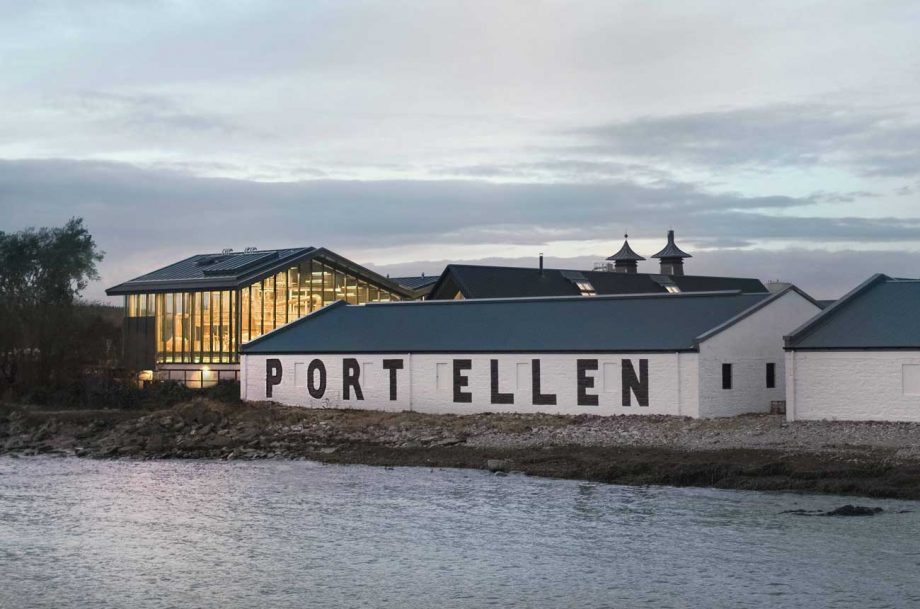
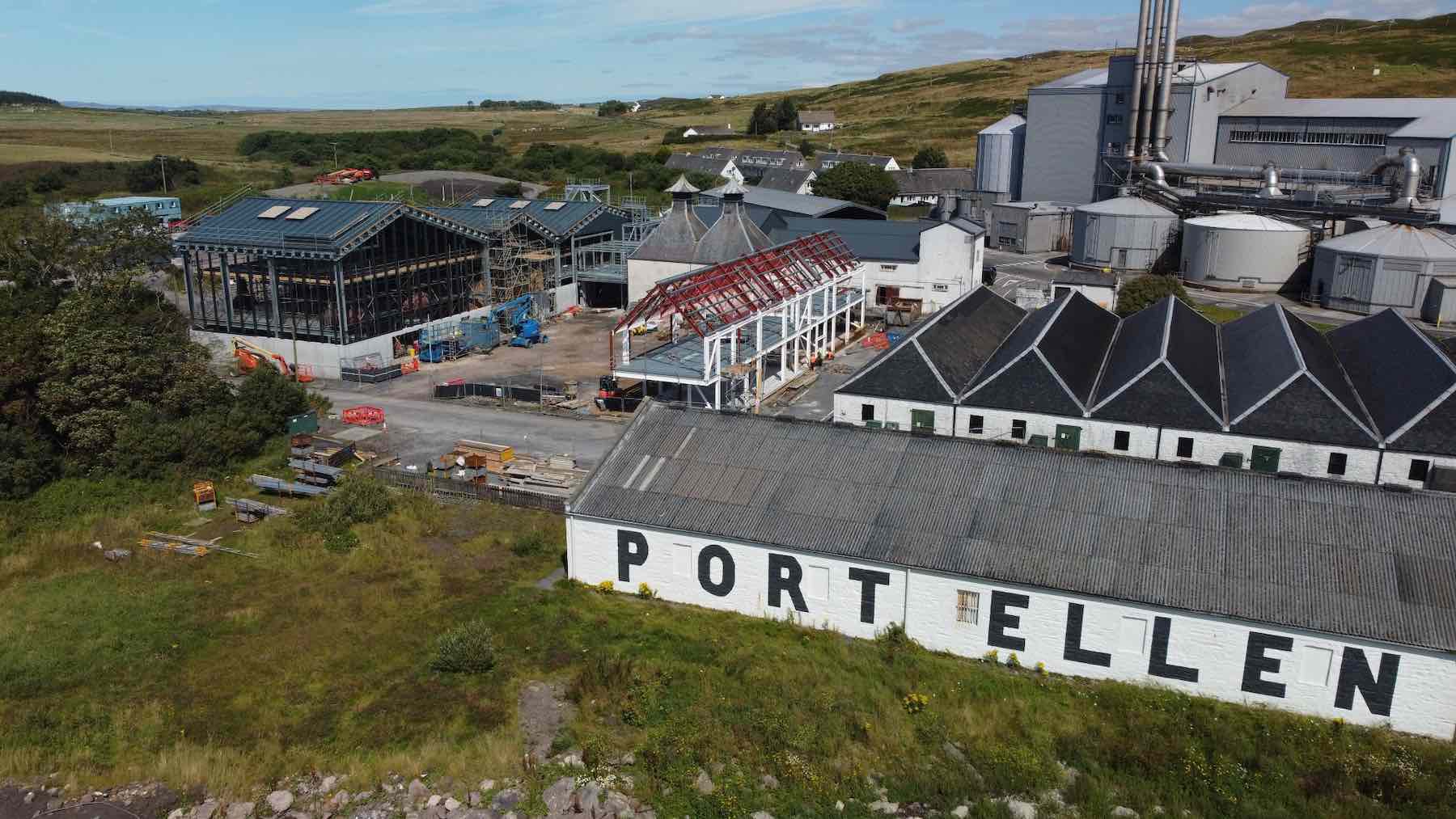
The reopening of Port Ellen Distillery on 19 March 2024 marked an important moment for Scotch whisky and has generated considerable interest across the industry.

Port Ellen, located on the island of Islay, was originally established in 1825 and became particularly well known for its distinctive peated whisky. The distillery ceased production in 1983, but its reputation continued to grow among whisky enthusiasts and collectors, with whisky from the original distillery becoming highly sought after.


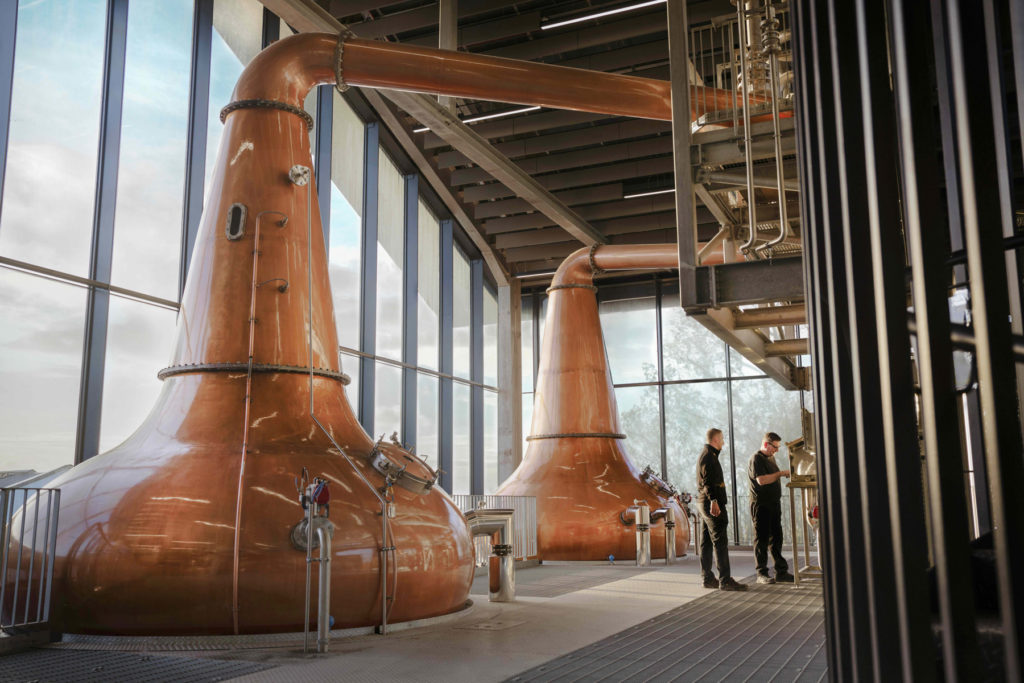
Following its reopening, production at Port Ellen has resumed, bringing the distillery into a new chapter while retaining its connection with Islay’s long-standing whisky-making heritage.

The reopening is significant not only because production has returned, but also because it provides an opportunity to observe how the new distillery’s spirit develops over time. As with any newly produced spirit, its eventual character, maturation profile and demand will become clearer as stocks mature and future releases emerge.

For those interested in Scotch whisky, Port Ellen provides an interesting example of how distillery history, production and consumer interest can evolve over time.

The Port Ellen Distillery is now officially open for business on Islay, breathing new life back into an old legacy building. This content has been created by WIUK for the purposes of information only. The Port Ellen distillery, Diego and its products which may be trademarked are not connected to WIUK and we make no inference or connection to them. 

1

Whisky Casks Available from £2,695 – VAT Treatment Explained

We currently have a selection of whisky casks available from £2,695, subject to availability and the individual characteristics of each cask.

Our sourcing team regularly reviews opportunities across the Scotch whisky market, with a focus on identifying casks from a range of distilleries, maturation types and barrel specifications.

Recent parcels have included casks matured in different types of wood, including first-fill Brandy and first-fill Château Margaux wine casks. The type and previous contents of a cask can influence the maturation characteristics of the whisky, making each cask an individual asset with its own specifications and history.

About VAT

The VAT treatment of a whisky cask can depend on the circumstances of the transaction and how the cask is held and supplied. Where a particular cask is advertised as “no VAT”, the applicable VAT treatment will be explained before purchase and should not be interpreted as a statement that all whisky cask transactions are exempt from VAT.

Important information

Whisky casks are an unregulated tangible asset and are not a regulated investment product. They do not benefit from the protections that apply to regulated financial products, including Financial Services Compensation Scheme (FSCS) protection.

The value of whisky casks can go down as well as up. There is no guarantee of future value or profit. You may not be able to sell your cask when you want to or for the price you expect. Past performance is not necessarily a guide to future performance.

This article is provided for general information and should not be regarded as personal financial advice or a recommendation to purchase any particular whisky cask. Prospective purchasers should make their own assessment and consider obtaining independent professional advice where appropriate.


What should you consider when purchasing a whisky cask?

Whisky casks are a tangible asset, but their value is not guaranteed and can go down as well as up.

The future value of an individual cask can be affected by a range of factors, including the distillery, age, spirit characteristics, cask type and condition, maturation, prevailing market demand and the costs associated with storage, insurance, regauging and eventual sale or bottling.

There is also no guarantee that a cask will increase in value, achieve a particular future valuation or be sold at a profit. A buyer may not be able to sell a cask when they want to or for the price they expect.

Past performance or historical market demand is not a reliable indicator of future performance.

Anyone considering purchasing a whisky cask should carefully consider the potential risks, costs and their own circumstances before proceeding. Whisky casks should not be viewed as a guaranteed-return product or as a substitute for regulated financial products.

Click on the buttons below for:

A download of our latest cask list
An invitation to September’s whisky event
WhatsApp Image 2024-07-17 at 10.11.50_198fb48b

Understanding Whisky Cask Ownership

Whisky cask ownership has attracted growing interest from people who enjoy Scotch whisky and are interested in owning a tangible asset associated with the whisky-making process.

But what does owning a whisky cask actually involve, and what should you consider before making a purchase?

What is a whisky cask?

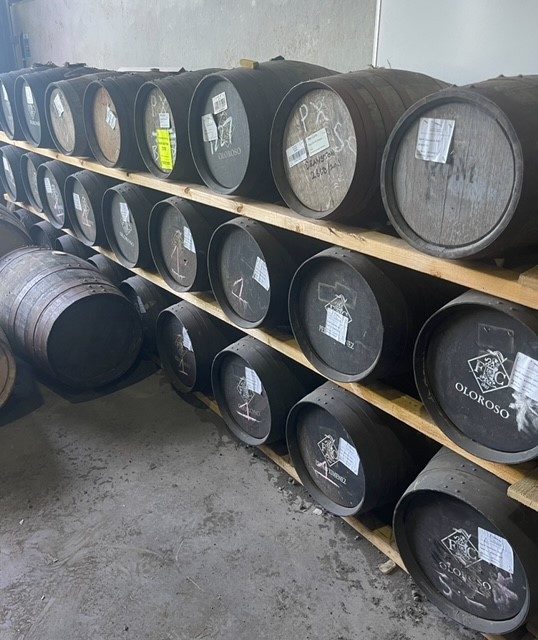
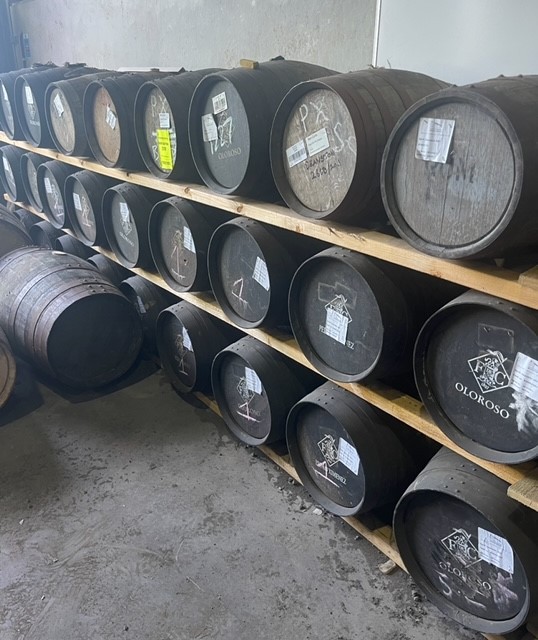
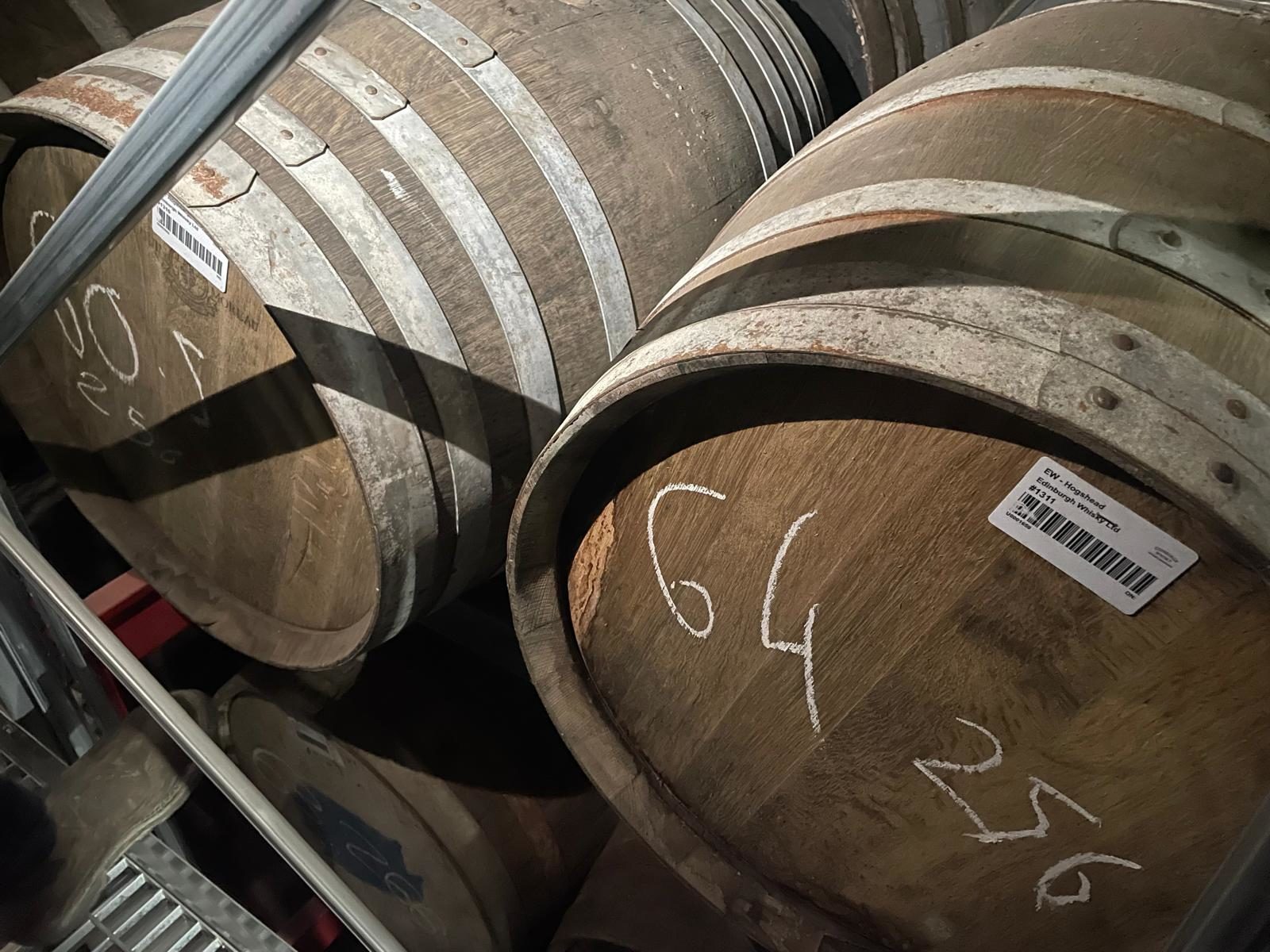
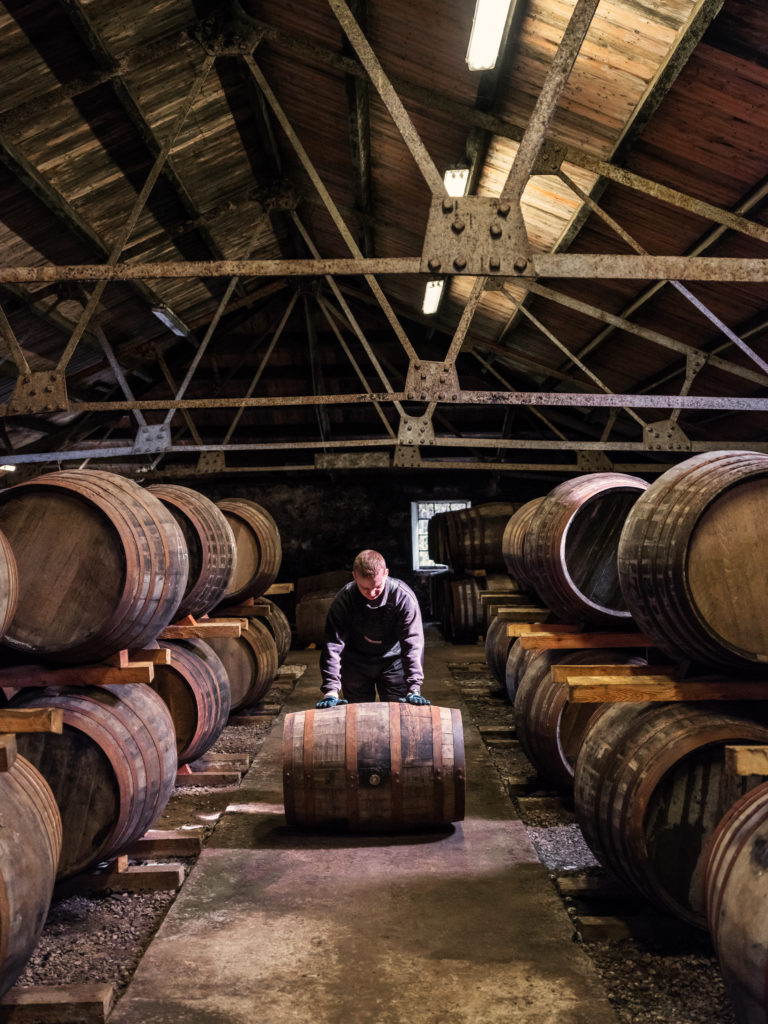
A whisky cask contains maturing spirit that remains in a bonded warehouse for a period of time while the whisky develops its character.

During maturation, the spirit can change in flavour, character and strength. The volume of spirit can also reduce over time through evaporation, commonly referred to as the “angel’s share”.

The eventual characteristics and value of an individual cask can be influenced by factors including the distillery, spirit, cask type, age, condition, maturation environment, available supply and prevailing market demand.

Whisky casks as an alternative asset

Some people purchase whisky casks with the intention of holding them for a period of time and potentially selling the cask or arranging for the whisky to be bottled in the future.

However, there is no guarantee that a whisky cask will increase in value or generate a profit.

The value of whisky casks is variable and can go down as well as up. There is also no guarantee that a buyer will be available when an owner wishes to sell, or that a cask can be sold for the amount originally paid or for any future valuation.

Historical market performance, previous sales or the reputation of a distillery should not be regarded as an indication of future performance.

What costs should you consider?

The purchase price is not necessarily the only cost associated with owning a whisky cask.

Depending on the arrangements applicable to the individual cask, owners may incur costs such as storage, insurance, regauging, administration, transfer, sale or bottling costs.

The applicable costs, terms and conditions should therefore be considered before purchasing a cask.

How can ownership be realised?

An owner may, subject to the applicable terms and market conditions, seek to realise ownership through a private sale, a third-party auction or another available route. Alternatively, an owner may choose to have the whisky bottled, subject to the relevant requirements and costs.

There is no guarantee that a cask can be sold at a particular price or within a particular timeframe.

Important information

Whisky cask ownership is an unregulated investment in the UK. The value of a whisky cask can go down as well as up, and there is no guarantee of future returns or profit. Past performance or historical market information is not necessarily a guide to future performance. Fees and other costs may apply, and terms and conditions apply to the purchase and ownership of a cask.

Whisky cask ownership does not provide the same regulatory protections as regulated financial products and is not covered by the Financial Services Compensation Scheme (FSCS).

Prospective purchasers should consider the risks, costs and potential exit routes carefully before deciding whether whisky cask ownership is appropriate for them. This article is provided for general information and should not be regarded as personal financial advice or a recommendation to purchase any particular cask.

Information relating to individual casks, including age, volume, alcohol strength, cask type, pricing, storage arrangements and applicable costs, should be confirmed before purchase and may change according to availability and market conditions.

Click on the buttons below for:

A download of our latest cask list
An invitation to September’s whisky event
WIUK_email_header_award_2024

Best Whisky Cask Management Company 2024 – UK

We have done it AGAIN!

Whisky Investment UK ® has been awarded
Best Whisky Cask Management Company 2024 – UK by Wealth and Finance International.

top

Personal Investment in a Scotch Whisky Cask

It is impossible to think of Scotland without thinking of Scotch Whisky. Its roots are firmly embedded in Scottish history and traditions but today it is found in the most stylish bars in the world’s biggest cities. For more than 500 years the Scots have successfully taken the natural ingredients which our country has been blessed with to create the world’s leading international spirit drink. 

Distilled in over 150 distilleries dotted around Scotland from the Northern Isles to the Borders it is exported to around 180 markets across the globe – an unrivalled reach for the product of any one country. 

Scotch Whisky makes up a quarter of the UK’s food and drink exports and the value of annual exports has grown consistently for more than a decade. All of this creates considerable interest in investing in Scotch Whisky, driven by a desire to share in its success. 

A personal investment opportunity?

Several companies promote individual ownership of a Scotch Whisky cask as worthwhile and potentially lucrative. Potential investors should carefully assess the sales offer, carry out due diligence and take appropriate advice.  The Scotch Whisky Association is not able to offer advice on the purchase or sale of casks as an investment and is not responsible for regulating the whisky cask market. Nevertheless, we believe that potential investors should understand something of the structure and operating methods of the industry to assess the risk vs reward of cask investment proposals. 

Scotch Whisky and its market

World exports of Scotch Whisky are currently worth in excess of £5.9 billion. Blended Scotch Whiskies, which contain spirit from many different distilleries make up the majority of sales. 

To meet this demand, Scotch Whisky blenders, who need whiskies aged for different lengths of time, contract with individual distilleries for the supply of the spirit that they require, laying down their stocks several years in advance. This enables Scotch Whisky distilleries to plan and maintain production at appropriate levels. 

As a result, there is no regulated market for mature or maturing casks of Scotch Whisky, no officially published list of buying and selling prices for casks from different distilleries or at different ages and no established mechanism for selling. Scotch Whisky casks are not a regularly traded commodity on an open market. It is traded within the industry, sometimes through Scotch Whisky brokers, but primarily by contract between blenders and distillers who will sometimes exchange casks with no money changing hands. 

It is possible, subject to availability and willingness, to purchase casks of Scotch Whisky, either newly distilled or maturing, from distillers for personal use. Casks are sometimes also purchased from time to time as a form of speculation with the intention of re-selling them at a profit. However it must be emphasised that only a tiny proportion of the total amount of Scotch Whisky produced in Scotland is bought and sold in this way. 

The promotion of investment opportunities

Opportunities to invest in casks sometimes include indications of the likely return that the investors might hope to make. 

Scotch Whisky casks however are no different from other commodities, whose values rise and fall according to supply and demand. The only certainty about owning a cask is that it will lose roughly 2% of its contents through evaporation each year.

Warehousing your cask

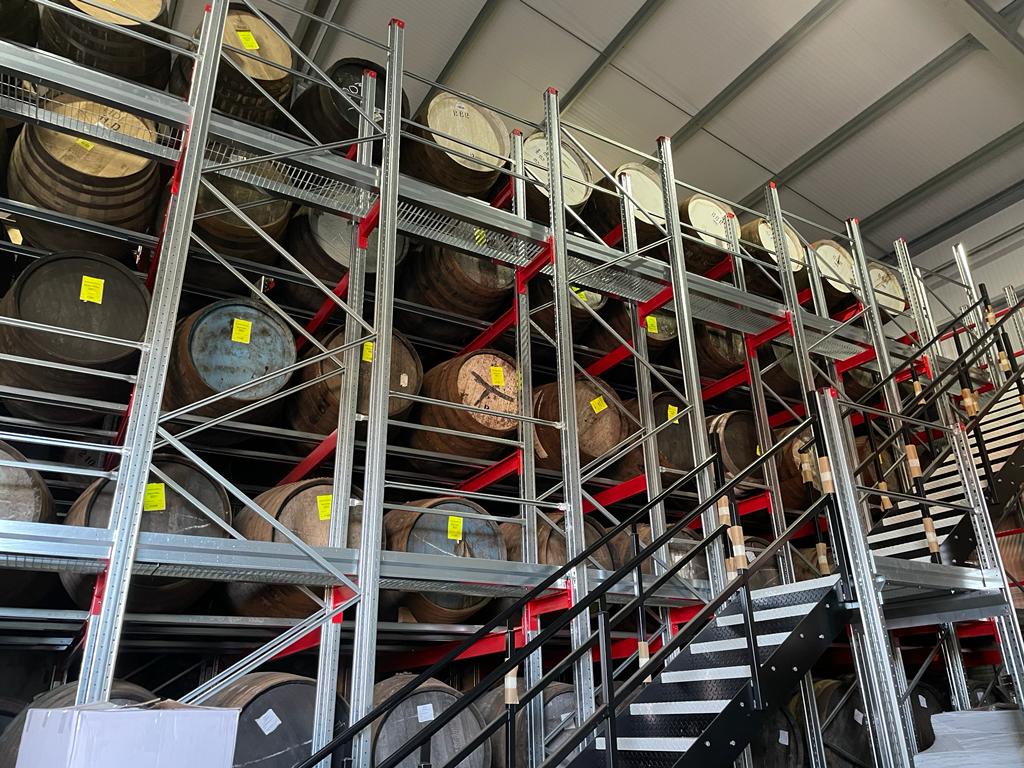
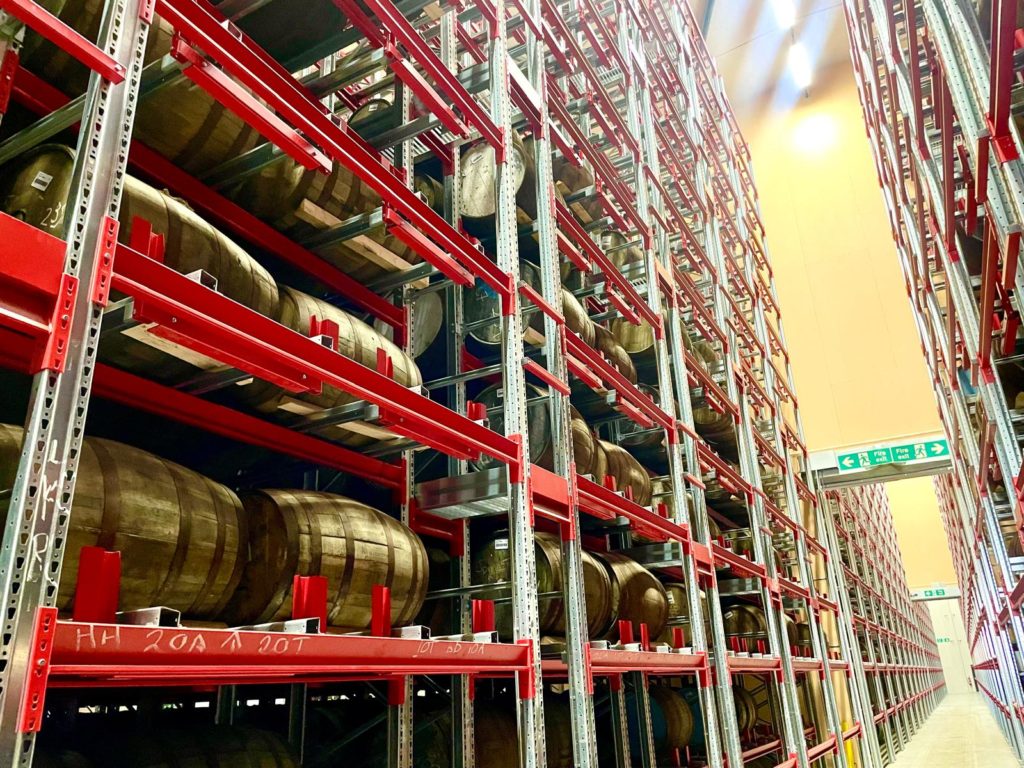
You are very likely to be charged for storage and insurance for the time the cask is in the warehouse. There may also be charges if your cask requires to be moved or its contents measured to check, for example, its alcoholic strength. Movement of the cask under bond is strictly controlled and can only be carried out by authorised operators. 

Bottling your cask

You will need to factor in the cost of bottling (Single Malt Scotch Whisky must only be bottled in Scotland). If a private owner ultimately decides to bottle their cask, excise duty will normally be due when the bottles are dispatched to the owner. The duty due will be based on the rate of duty applicable at that point and not when the cask was purchased. Thus the purchase price of the cask is only the initial outlay. 

In 2024 the rate of duty in the UK is £31.64 per litre of pure alcohol to which Value Added Tax at 20% must be added. This will require a further outlay of several thousand pounds on the average cask. 

You should bear in mind that most bottlers are set up to bottle large volumes of spirits and it may take some effort to find one who is willing to bottle a single cask. 

Non-UK investors should consider any duties and taxes due for importing bottled Scotch Whisky into another country. 

Essential things to consider If you decide to make a personal investment in a Scotch Whisky cask you should consider taking the following steps:

  1. Identify clearly the whisky on offer. Any company offering Scotch Whisky for sale should be able to confirm whether it is a Scotch Malt Whisky or Scotch Grain Whisky, the name of the distillery where it was produced, the year of distillation and a cask reference number.
  2. Check that the offer price is realistic by contacting the distillery or company whose whisky it is, or speak to an established whisky broker or specialist auction house.
  3. Also check any claimed return with an established whisky broker, but even then you should treat this with caution as the figure for which your cask might be sold depends on many variable factors.
  4. Most distillery names are trademarked and sometimes there will be a contractual limitation on the use of the name should you sell or bottle your cask. Before purchasing, you should check whether any conditions apply, particularly if you are not purchasing directly from the distillery.
  5. Consider whether there are any limitations on whether you can move your cask and how you can dispose of your cask. Some sellers may include, for example, a contractual term that it may only be matured at their premises and/or bottled by them exclusively for personal consumption.
  6. By law, Scotch Whisky may only be matured in an approved warehouse in Scotland which has been verified by His Majesty’s Revenue and Customs. Therefore you should check the location of your cask before going ahead with the purchase. You can check to see if a facility has been verified on the HMRC website here. 

“By law, Scotch Whisky may only be matured in an approved warehouse in Scotland which has been verified by His Majesty’s Revenue and Customs.”

  • Insist upon receiving a receipt for the purchase price and a copy of the contract of sale which should:
    • provide a full description of the whisky purchased i.e. type, distillery, and year of distillation; 
    • identify the cask purchased and in particular the cask number, the type of cask (ex-Bourbon, ex Sherry etc.) and the volume of the contents; 
    • identify the warehouse in which the casks are stored and the warehousekeeper; and explain the costs connected to the storage of your cask. 
  • Your contract of sale represents your legal title and is proof of purchase of your cask but ensuring your ownership of the cask is recognised, and understanding who has control over it, may require further action as set out below. 

    • If the cask is located in a warehouse that belongs to someone other than the seller, you should ensure that the transfer of ownership is properly recorded and acknowledged by the warehousekeeper. Traditionally this was done by way of a delivery order, a document setting out the details of the cask to be transferred, signed by purchaser and seller and then delivered to the warehousekeeper. Nowadays other documents may suffice but you should check with the warehousekeeper what documents they require to record ownership in your name and ensure that the seller can deliver them to you before completing the purchase.
    • Check that your insurance is adequate for your needs. Does the insurance cover, for example, loss of spirit as a result of a leaking cask?
    • As the owner of a cask stored in an approved warehouse, you should satisfy yourself that the warehouse and warehousekeeper are approved by HMRC. This also includes ensuring that the warehousekeeper is registered with HMRC under the Warehousekeepers and Owners of Warehoused Goods Regulations 1999 (‘WOWGR’). You might also be required to register with HMRC and obtain a WOWGR approval if you are deemed to be a ‘Revenue Trader’. Further information can be found in HMRC’s Excise Notice 196 (in particular, section 5).
    • Be aware that as well as reducing in volume, the contents of your cask will reduce in strength over time. It important that you monitor the strength of your cask, particularly if you are maturing it for a long time because if the strength falls below 40% abv, you will no longer be able to bottle it as Scotch Whisky.

When purchasing a cask, you should be aware of the special nature of the trade in Scotch Whisky and the costs involved.
Investors should recognise that there are risks involved, both as regards the potential value of their investment and the opportunities to sell it on.
Nevertheless, purchasing a cask for your own personal use can give you great pleasure and enable you to create a unique Scotch Whisky to your own specifications.