WIUK® is proud to be named “Whisky Investment Firm of the Year” at the BFSI Insider Awards 2025—a recognition of our impact, financial inclusion, sustainability, customer service, global integration, and innovation in the whisky investment sector.
This prestigious award highlights WIUK®’s commitment to delivering exceptional service and investment opportunities to our clients while driving sustainable growth in the whisky market.
About FDI Insider
FDI Insider is a leading news platform and premier quarterly digital publication, providing in-depth analysis and insights into global foreign direct investment (FDI) activities. Their coverage spans emerging trends, challenges, and opportunities shaping cross-border investments worldwide, making them a vital resource for industry leaders, investors, and policymakers.
We are honoured to receive this award and remain dedicated to offering unparalleled whisky investment solutions to our clients.
Unlocking Whisky Cask Ownership How Delivery Orders Work, How Casks Are Stored, and the Process of Scotch Whisky Maturation in Scotland
Unlocking Whisky Cask Ownership How Delivery Orders Work, How Casks Are Stored, and the Process of Scotch Whisky Maturation in Scotland
For Whisky Enthusiasts: Cask Ownership
Owning a cask of Scotch whisky offers direct involvement in the maturation process of a regulated spirit stored in bond in Scotland. It is an ownership experience centred on tradition, provenance, and time in maturation.
Cask ownership should not be viewed as a short-term opportunity or an implied investment strategy. The process involves long holding periods, ongoing costs, and a range of variables that may influence the final outcome, including but not limited to cask type, storage conditions, and market demand.
Transfer of Ownership (WIUK® Process)
When purchasing a cask through Whisky Investment UK (WIUK®), we facilitate the administrative transfer of ownership within an HMRC-licensed bonded warehouse in Scotland.
This process typically involves creating a private customer account with the warehouse operator. Once established, a Delivery Order (DO) is issued to formalise the transfer of ownership records.
A Delivery Order is a warehouse document used to instruct the transfer of ownership of goods held in bond. It is completed, acknowledged by the relevant parties, and submitted to the warehouse, which then updates its records to reflect the new owner.
The Maturation of Scotch Whisky
The maturation of Scotch whisky is a regulated process that takes place exclusively in Scotland. During this period, the spirit interacts with the cask and its storage environment, gradually developing character.
It is important to note that maturation outcomes vary and are not predictable or guaranteed. The final profile of a whisky is influenced by multiple factors, including cask history, wood type, warehouse conditions, and duration of maturation.
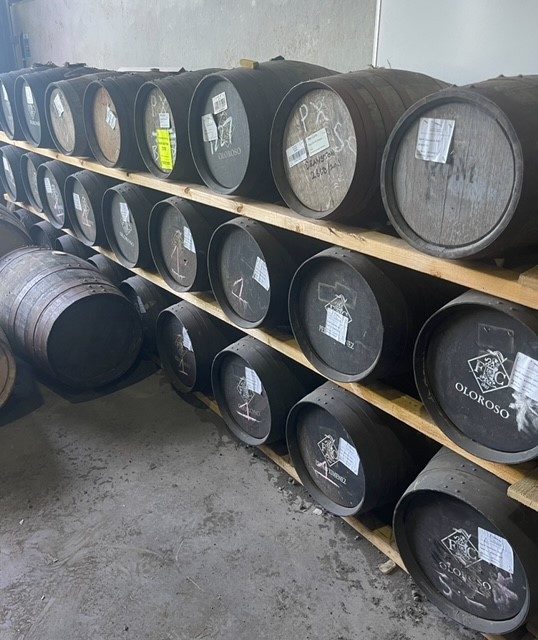
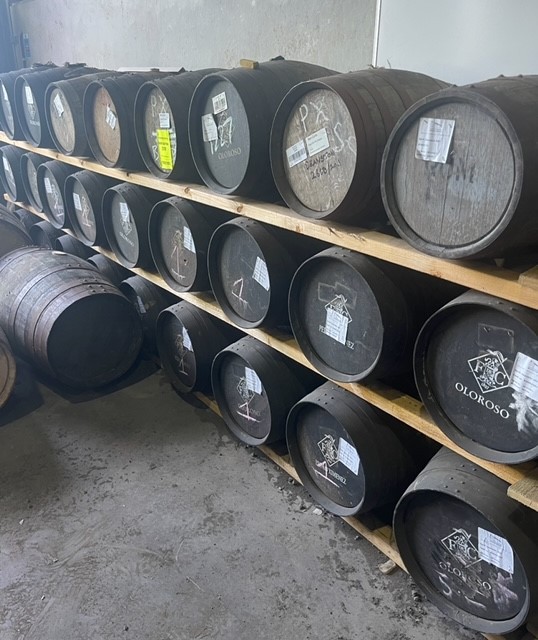
Warehouse Types: Racked Storage
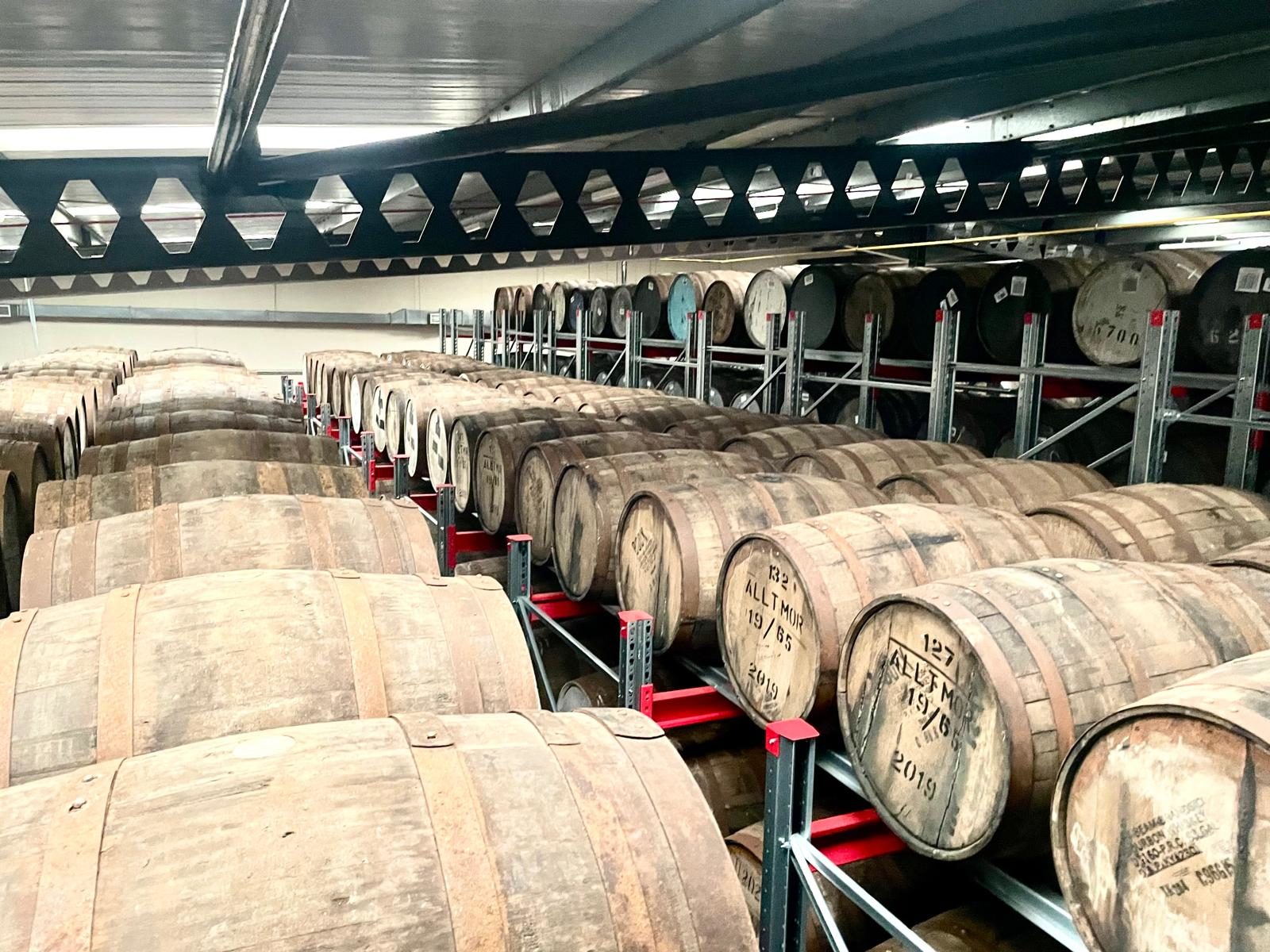
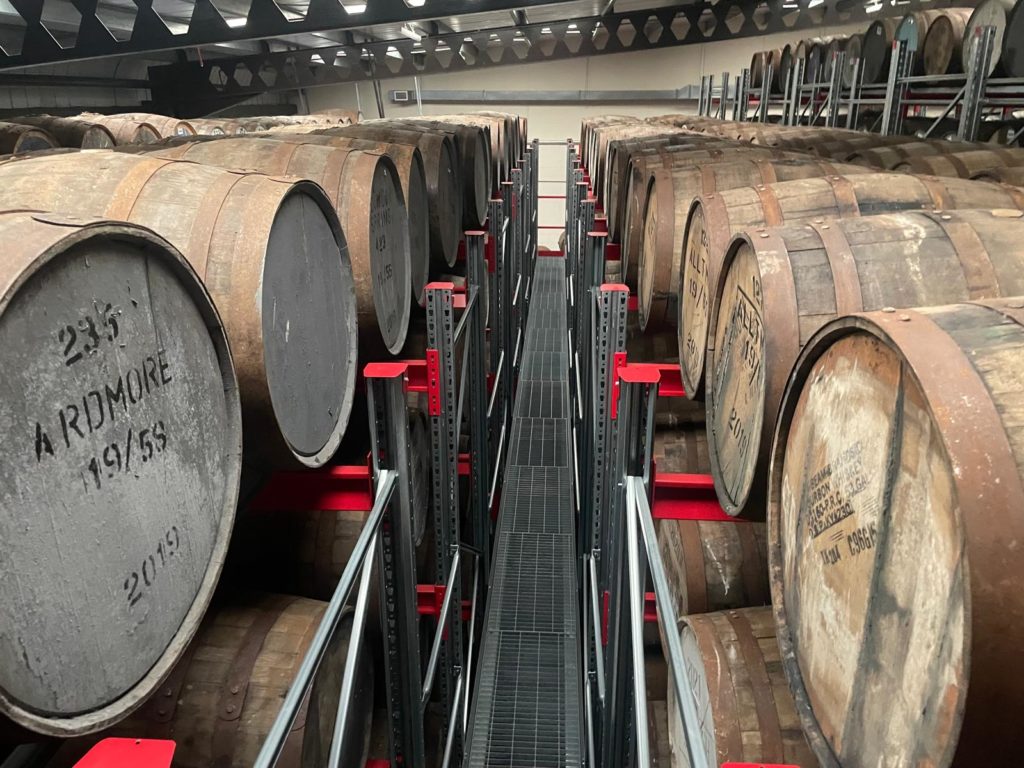
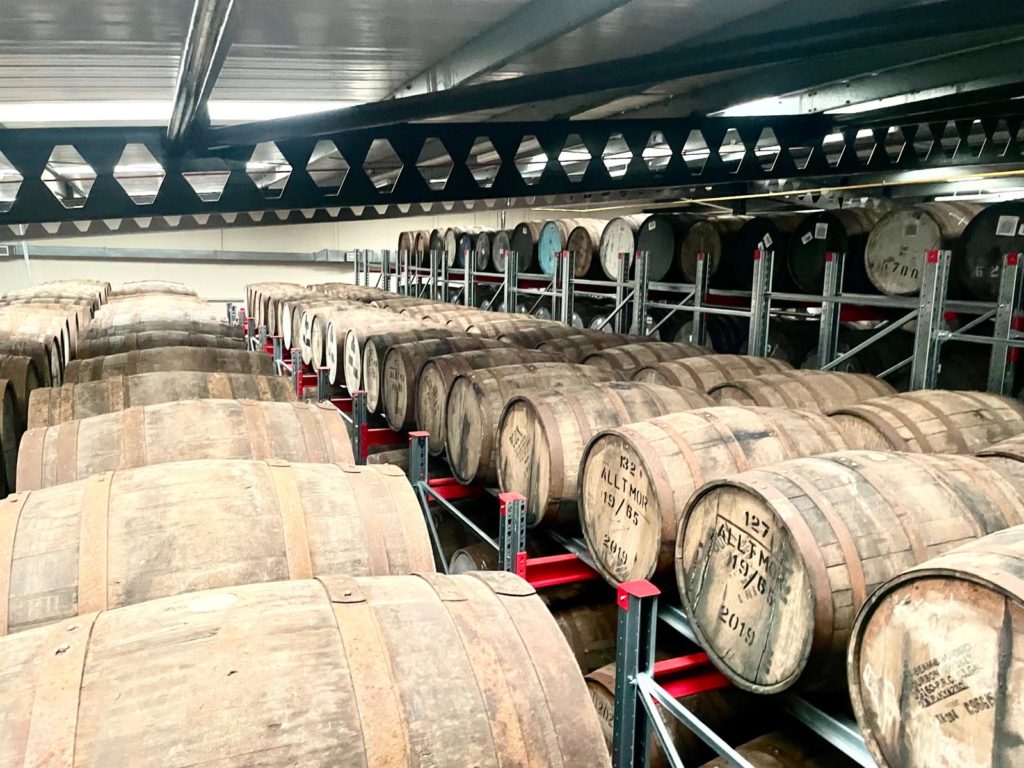
Many modern bonded warehouses use racked storage systems, where casks are stored on multi-level steel structures.
Key characteristics include:
Efficient Storage Structure: Enables organised, large-scale storage and cask management
Variable Conditions by Position: Temperature and airflow differences between upper and lower levels may influence maturation rates
Accessibility: Facilitates inspection, sampling, and inventory management where required
The Role of Scotland’s Climate
Scotland’s maritime climate is widely recognised as contributing to whisky maturation conditions.
Key environmental factors include:
Seasonal Temperature Variation: Causes the spirit to expand and contract within the cask, influencing interaction with the wood.
Humidity Levels: Can affect the balance between alcohol and water evaporation during maturation, which may influence the character of the spirit over time.
Visit Your Cask
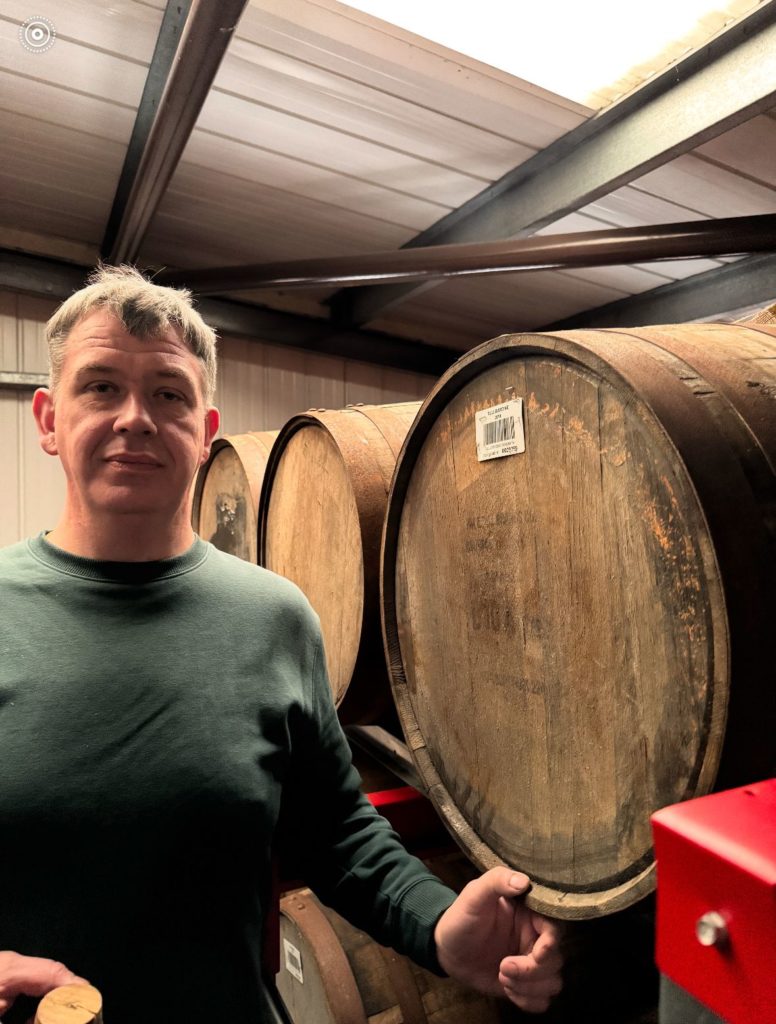
Cask owners may, by arrangement, be able to visit their whisky stored in a bonded warehouse in Scotland. Visits are subject to warehouse approval, availability, and notice requirements.
Where permitted, sampling may also be arranged directly through the warehouse operator, allowing owners to experience their cask during maturation. Any samples drawn are for personal appreciation purposes only and do not indicate or guarantee future performance or value.
Owning a cask is about more than the final whisky; it is a journey defined by time, craft and tradition. From the careful process of maturation to the moment you sample whisky drawn from your own cask, each stage offers a deeper connection to Scotland’s whisky-making heritage.
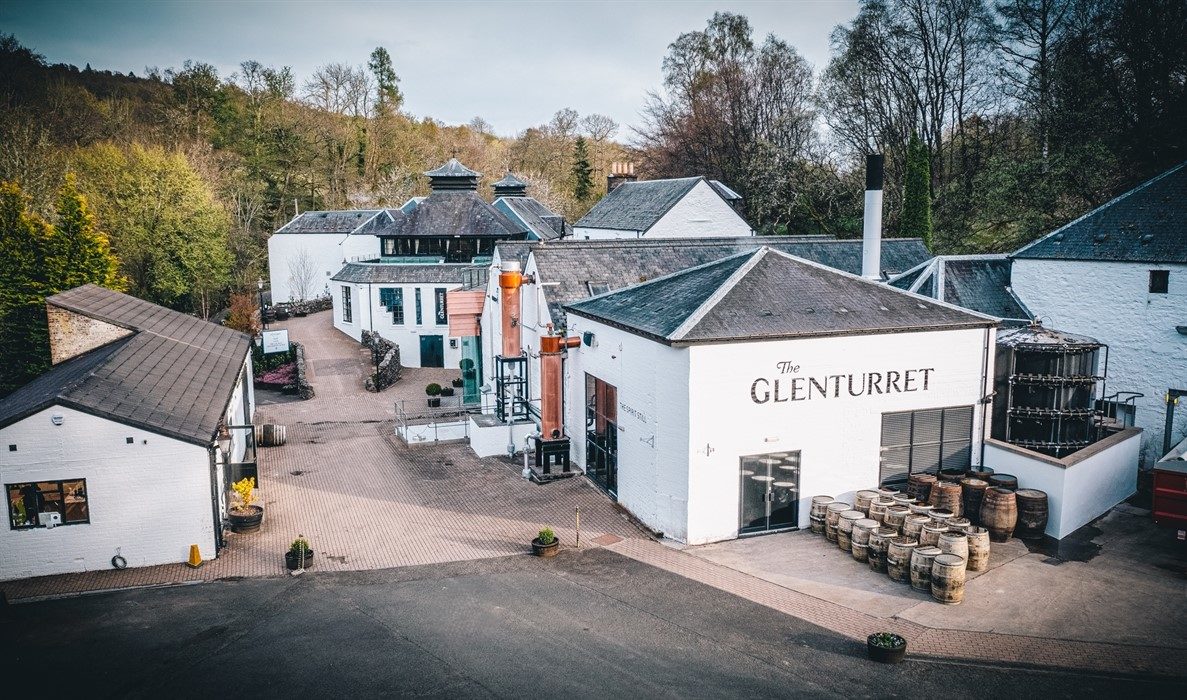
One of Scotland’s oldest working distilleries, Glenturret has announced plans to phase out the use of peat in its whisky production, with a target to complete this transition as early as 2025.
Whisky Cask Investment and Capital Gains Tax Considerations
Whisky cask investments may, in certain circumstances, be treated as exempt from UK Capital Gains Tax (CGT), depending on how the asset is classified and the individual investor’s tax position.
Tax treatment is not guaranteed and will vary based on personal circumstances and prevailing legislation. Investors should seek independent professional tax advice to determine how any potential tax liabilities may apply to them.
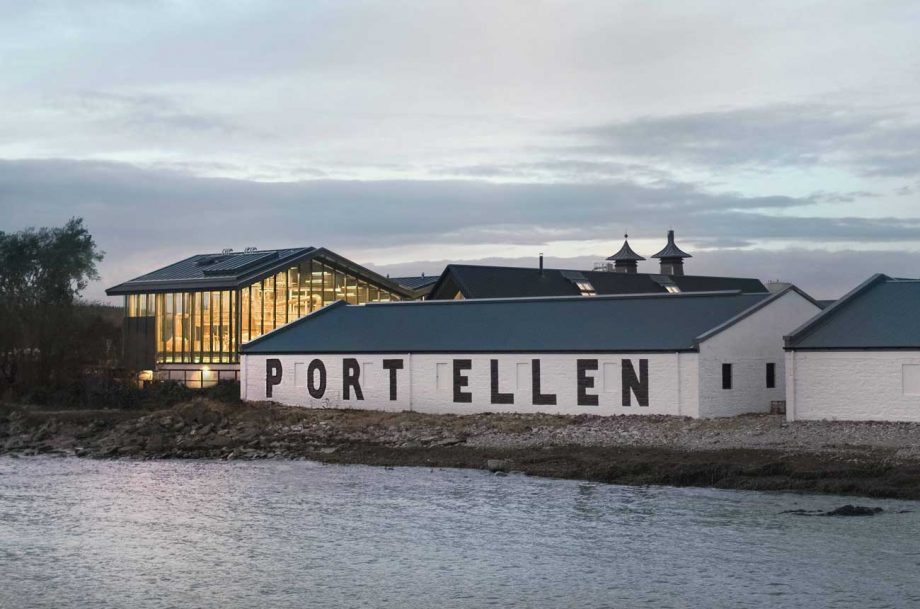
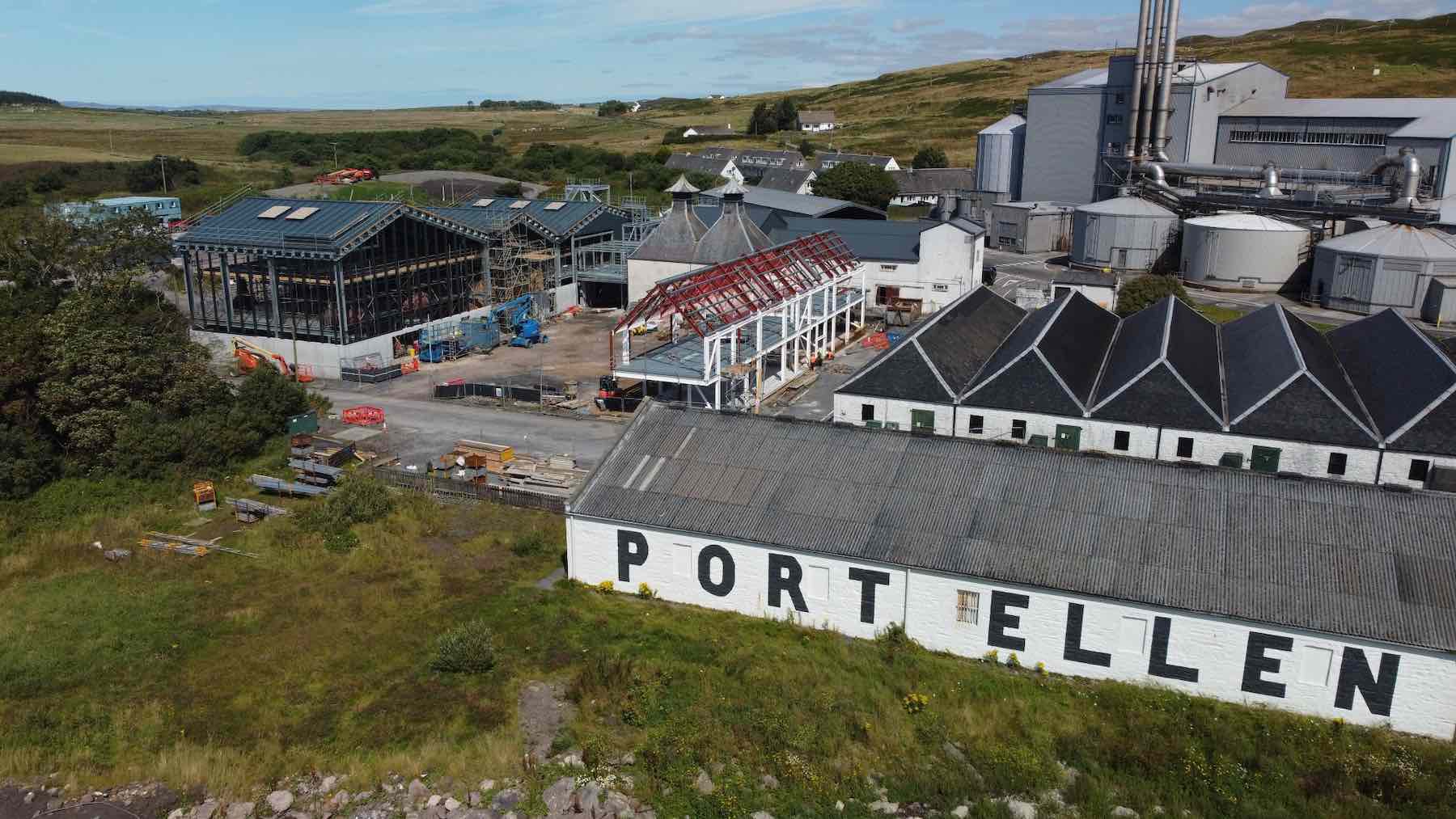
The reopening of Port Ellen Distillery on 19 March 2024 marked an important moment for Scotch whisky and has generated considerable interest across the industry.
Port Ellen, located on the island of Islay, was originally established in 1825 and became particularly well known for its distinctive peated whisky. The distillery ceased production in 1983, but its reputation continued to grow among whisky enthusiasts and collectors, with whisky from the original distillery becoming highly sought after.
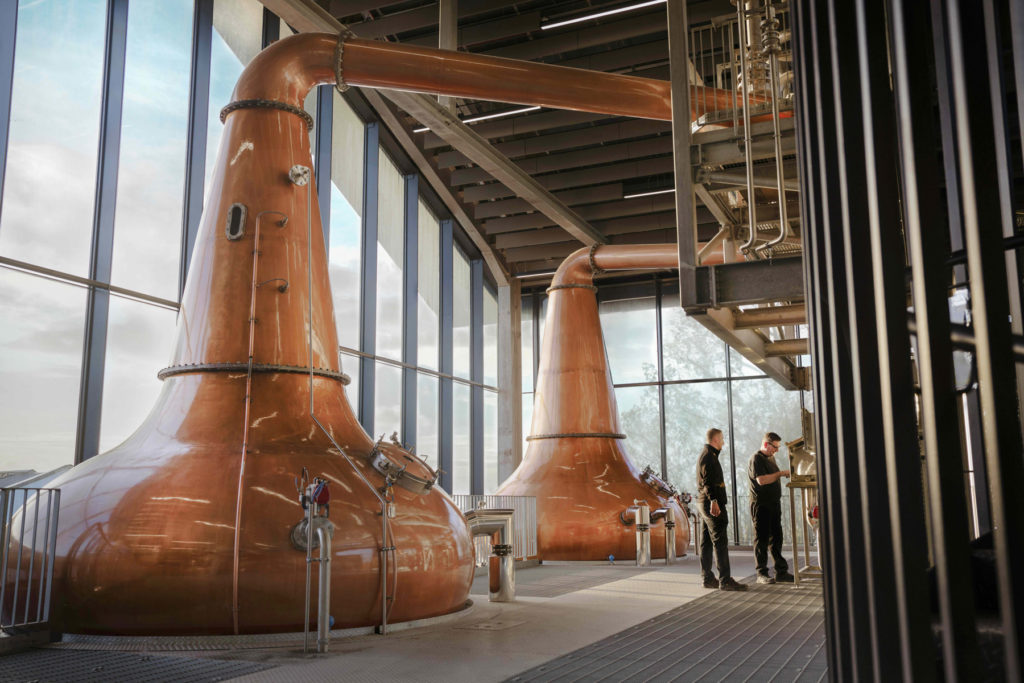
Following its reopening, production at Port Ellen has resumed, bringing the distillery into a new chapter while retaining its connection with Islay’s long-standing whisky-making heritage.
The reopening is significant not only because production has returned, but also because it provides an opportunity to observe how the new distillery’s spirit develops over time. As with any newly produced spirit, its eventual character, maturation profile and demand will become clearer as stocks mature and future releases emerge.
For those interested in Scotch whisky, Port Ellen provides an interesting example of how distillery history, production and consumer interest can evolve over time.
The Port Ellen Distillery is now officially open for business on Islay, breathing new life back into an old legacy building. This content has been created by WIUK for the purposes of information only. The Port Ellen distillery, Diego and its products which may be trademarked are not connected to WIUK and we make no inference or connection to them.
We currently have a selection of whisky casks available from £2,695, subject to availability and the individual characteristics of each cask.
Our sourcing team regularly reviews opportunities across the Scotch whisky market, with a focus on identifying casks from a range of distilleries, maturation types and barrel specifications.
Recent parcels have included casks matured in different types of wood, including first-fill Brandy and first-fill Château Margaux wine casks. The type and previous contents of a cask can influence the maturation characteristics of the whisky, making each cask an individual asset with its own specifications and history.
The VAT treatment of a whisky cask can depend on the circumstances of the transaction and how the cask is held and supplied. Where a particular cask is advertised as “no VAT”, the applicable VAT treatment will be explained before purchase and should not be interpreted as a statement that all whisky cask transactions are exempt from VAT.
Important information
Whisky casks are an unregulated tangible asset and are not a regulated investment product. They do not benefit from the protections that apply to regulated financial products, including Financial Services Compensation Scheme (FSCS) protection.
The value of whisky casks can go down as well as up. There is no guarantee of future value or profit. You may not be able to sell your cask when you want to or for the price you expect. Past performance is not necessarily a guide to future performance.
This article is provided for general information and should not be regarded as personal financial advice or a recommendation to purchase any particular whisky cask. Prospective purchasers should make their own assessment and consider obtaining independent professional advice where appropriate.
What should you consider when purchasing a whisky cask?
Whisky casks are a tangible asset, but their value is not guaranteed and can go down as well as up.
The future value of an individual cask can be affected by a range of factors, including the distillery, age, spirit characteristics, cask type and condition, maturation, prevailing market demand and the costs associated with storage, insurance, regauging and eventual sale or bottling.
There is also no guarantee that a cask will increase in value, achieve a particular future valuation or be sold at a profit. A buyer may not be able to sell a cask when they want to or for the price they expect.
Past performance or historical market demand is not a reliable indicator of future performance.
Anyone considering purchasing a whisky cask should carefully consider the potential risks, costs and their own circumstances before proceeding. Whisky casks should not be viewed as a guaranteed-return product or as a substitute for regulated financial products.